Welcome to M.V Hospital for Diabetes, established by late Prof. M.Viswanathan, Doyen of Diabetology in India in 1954 as a general hospital. In 1971 it became a hospital exclusively for Diabetes care. It has, at present,100 beds for the treatment of diabetes and its complications.

Thursday, March 7, 2013

A HEALTHY FOOD PLATE

SheelaPaul,

Rohini. Dietitian
MVNES


Take a look at your plate the next time you have a meal. It will most probably be more than half a plate of cereals - rice or chapathies-  along with rasam, buttermilk, pickles, pappads, chips and deep fried vegetables,a starchy vegetable, dhal, whole grams or maybe a few pieces of meat and a bowl of  something sweet. Eating this way will increase insulin resistance, lipid levels, and weight. It also becomes difficult for the body to control its blood sugar levels, and this increases the risk of diabetes complications. 

By changing the proportions of food on your plate,you can improve your health and trim your waistline. This will help you manage diabetes better.The American Diabetes Association recommends that half the plate should include non- starchy vegetables, one quarter should be filled with lean protein, and the other quarter should have some additional carbohydrates. This visual dietary control is called the ‘Plate Method’. You do not have to measure your food accurately. Just fill your plate to match the prescribed dietary proportions.

The Plate Method for healthy living and controlling diabetes has become quite popular. It is an easy and helpful way to plan meals for everyone, especially for those who wish to gain better control of their blood sugar levels, blood pressure and / or body weight. 


First:  You need to choose a plate. Plate sizes have grown over the years. An ideal size is 9 inches wide, no wider.


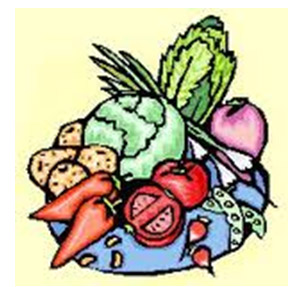
Second:  Fill half the plate with approximately 2 cups or more non – starchy vegetables An easy way to meet this requirement is to eat one bowl of salad along with your side vegetables.

Cabbage 
Broccoli
Carrots
Tomatoes 
Mushrooms
Cucumbers
Spinach
Greens (all varieties)
 Beans 
Cauliflower


Third:  Your plate should provide approximately 45 to 60 grams of carbohydrate, Choose whole grains over processed and refined grains. 

Whole Cereals
Rice 
Whole wheat Bread 
Potatoes
Yam
Tapioca


Fourth:  Fill the other quarter of the plate with protein such as :

Chicken
Fish
Egg
Lean meat
Dhal and whole grams,  nuts
Dairy products


Fifth: There are two more items. First, is a small glass of low fat or skim milk or small cup of yogurt  and next is a small piece of fruit 50 to 100 gms.

THE PLATE METHOD…


Strategies for changing eating habits in diabetes:

Avoid sugary drinks, added sugar (e.g., honey, brown and white sugar),  avoid high fat cooking methods ( i.e., shortening, butter, hydrogenated oil, margarine), use low fat oils ( e.g., olive, canola, safflower, etc.), eat less salt, eat lean cuts of meat, eat regularly. Use healthy cooking methods like steaming or boiling or stir- frying.

The Plate Method provides the following benefits:

An eating style that is nutritionally sound
A lower fat intake
Improved carbohydrates distribution
A greater intake of fiber
More fruits and vegetables (antioxidants and photochemical)

The Plate Method works anywhere:

This approach also works well when eating out. Just visualize how the foods would fill up your plate. If you are lacking in vegetables, order up a salad. And if the meat portion looks too large, share it with someone.

Your diet can improve your health 

With the plate method, your meals will be high infibercontent and low in saturated fat, cholesterol and carbohydrates. It will…

Maintain blood glucose and lipids as near normal as possible
Provide appropriate calories for weight loss or weight maintenance
Prevent or delay diabetes related complications through decreasing your risk of heart disease and    stroke
Improve overall health through optimal nutrition

Plan your plate with your dietitian.

Thursday, February 21, 2013

Good Nutrition for Children During Examinations

Sheela Paul,  N.Amudhavali –Dietitian(MVNES)


Good nutrition is often the last thing on one’s mind during exam time. In fact, good nutrition should be part of a student’s study plan because it is going to help with those tests. The better the fuel the brain gets, the better the ability to study. During the exams, students spend long hours studying and staying awake. Eating the right kind of food in small quantities helps to keep them stimulated and alert. Students must ensure they get sufficient calories, proteins and all micronutrients and drink adequate amounts of water so that they don't get dehydrated as most exams take place during summertime.

1. Have a regular breakfast, don’t miss it. Beverages are not enough for breakfast.Have a bowl of cereal with milk,or rotis/paranthas with milk or dhal and a piece of fruit and  some vegetable will provide the necessary nutrients.

2. Eat at regular intervals. It helps keep nutrient and energy levels more stable, and prevents one from having empty-calorie snacks.

3. Eat small, eat frequently: Eating the usual three-big-meals-a-day slows you down mentally and physically. Have 5-6 well-balanced smaller meals instead.

4. Choose powerful vegetables. Not all vegetables are created equal. The darker the color, the higher the concentration of nutrients. For example, greens and other vegetables are more useful to mind and body.


5. Going bananas? Good. Fruit ranks high among the best foods you can eatfor your brain. The natural sugars in fruit offer clean energy, so you don’t experience the crash that follows consumption of refined sugar.


6. Smart snacking can enhance studying. Have healthy snacks while studying and you may find that you retain more. Try to get two food groups into your snacks to balance the nutrients and keep your blood-sugar level stable. Some smart snack examples are banana with peanut butter, a small baked potatowith cottage cheese.

7. How do I eat smarter? If you meet the daily vitamin and mineral requirements , it will make doing your best much easier. Ironand B-Vitamins are especially important for maintaining the physical and mental energy necessary to study well. Foods that contain iron include red meat, cereals and greens and foods that are rich in  B- vitamins include whole-grains, wheat germ, eggs and nuts. Fish and soy are other foods that are said to help boost your brain by providing the nutrients it needs.

8. Vitamin tablet is not a meal. Dietary supplements are good, but real food is better. An orange contains not only Vitamin C, but also fiber, beta carotene and other minerals — so it can’t be replaced by a pill.

9. Stay well hydrated. Choose your beverages well. Caffeine and sugar should be kept to a minimum as too much caffeine can make you jittery.

The diet plan:

• Include proteins, with carbohydrates and fats

• Make healthier choices when choosing snacks

• Stay well hydrated

• Consume a lot of fruits and juices in the diet

• Eat well; don't starve

• Instead of big meals, take small portions at regular periods not more than four hours apart

• Have more curd and buttermilk

• Have a lot of milk, mixed with nuts

• Include iron-rich green leafy vegetables in the diet

• Avoid junk food and too many sweets

• Food determines health, wealth and happiness.

Health issues during exams

Depression, dehydration, anxiety, restlessness, anguish, dry mouth, anorexia nervosa (emotional eating), heart burn, acidity, constipation, anaemia, digestive problem, flu, cold, headache, hyperactivity, kidney stone, muscular pain or back pain, nausea and vomiting are some of the health issues that can plague childrenduring examinations.

Opt for healthy foods:

• Provide your child with juicy fruits and vegetables as they rehydrate and replenish the body and do not make them sleepy and lethargic. A fruit platter could include slices of water melon, musk melon, strawberries, oranges and sweet lime

• Almonds, walnut, pumpkin seeds, cucumber and watermelon seeds help improve memory and concentration. Nuts are full of DHA –which is needed in high levels by the brain and eyes for learning and improving memory.

• Prevent your child from consuming starchy vegetables like potatoes and yam which make him lethargic and sleepy or cause constipation which can lead to bloating

• Provide light vegetables  such as  bottle gourd, carrots or fenugreek with chapati

• Chilled raita made of fresh fruit or vegetable provides calcium, water and protein

• Instead of snacking on samosa, burgers, patties or namkeen, opt for almonds, cashew nuts, pistachios, or pumpkin seeds. Boiled chickpea is a great option too

• Replace soft drinks witha glass or two of healthy fresh fruit milkshake, lassi, energy drinks or glucose.

• Avoid fried foods and refined foods made of maida as theymake people sleepy and lethargic.

• Iodine is very important for memory power so include enough iodized salt in your child’s diet

• No supplements should be given during exams, unless prescribed by thedoctor

• Keep your child well hydrated – provide a lot of water in the form of fresh seasonal fruit juices like watermelon, strawberries, cucumber and orange juice

• Ensure your child sleeps well before the exam as it will prevent anxiety, depression and restlessness


A happy child has an increased serotonin level. Listening to soothing music can increase the serotonin level which is a chemical in the brain that is known to induce a de-stressed, calm feeling.

Avoid the following foods:

• Hot dog
• Pizza
• Aerated drinks
• Cheese burger / sandwich
• Red meat
• Fried fish
• Ham burger

Ensure that your child is not overeating to cope with problems or to deal with emotions such as stress.

A little modification in lifestyle helps   

Follow these guidelines and your mind will be on full alert when you need it most. If you want to do well in your exams, eat carefully. You only get one shot at your exams, so it’s worth doing everything you can to ensure you are alert when in the examination hall.

Were these tips useful to you? Share your views with us.

 
GOOD LUCK

Friday, February 15, 2013

Why People with Diabetes Must Avoid Alcohol


Manoj Mandela M
Research Associate,
Department of Kidney Research.


Blood glucose is used for growth and energy. Blood glucose is made from -


* the foods that we eat,  
* the breakdown of the glucose stored in our muscles (glycogen),
* other nutrients in the body.

The primary hormones involved in maintaining a healthy blood glucose level are insulin and glucagon.

Under normal conditions when blood glucose levels begin to drop, the body can respond by making more blood glucose or by burning up stored sugar, and when blood glucose level begins to rise, additional insulin is secreted to bring the levels back to a healthy range.

The body treats alcohol as a poison and makes every effort to excrete it. It adversely affects the normal process of maintaining healthy blood glucose levels. Studies have shown that alcohol interferes with all three sources of glucose and the hormones needed to maintain healthy blood glucose levels.


The greatest impact is seen in those who drink heavily very regularly. Heavy drinkers exhaust their glycogen stores within a few hours when their diet does not provide a sufficient amount of carbohydrates. Excessive alcohol consumption over a period of time can decrease the effectiveness of insulin, resulting in high blood sugar levels. One study showed that 45% to 70% of people with alcoholic liver disease had either glucose intolerance or diabetes.

Alcohol can also negatively impact blood sugar levels each time that it is consumed, regardless of the frequency of consumption.

Research shows that high consumption increases insulin secretion and results in low blood glucose (hypoglycemia), and can also impair the hormonal response that would normally correct the low blood sugar.

Drinking as little as 2 ounces of alcohol on an empty stomach can lead to very low blood sugar levels.

This makes alcohol an even bigger problem for anyone with diabetes. Along with the effecton blood glucose studies also show that alcohol can negatively influencethe effectiveness of the hypoglycemic medications, so people with diabetes need to be extremely careful when consuming alcohol .

There is also an increased risk of problems when combining exercise and alcohol.

Many people go out for a drink after playing a sport (for example, hockey, soccer, tennis) or consume some alcoholic beverages while playing. Blood glucose levels naturally drop during exercise, and the body is working hard to replace glycogen stores after the game. So consuming alcohol during this time will halt this process and can cause blood sugar levels to stay at an unhealthy level.

Alcohol can bring abouthavoc on a system that is in place for your health and well- being. Excessively low or high blood sugar levels have long-term consequences.


Thursday, February 7, 2013

Diabetic Nephropathy


Manoj Mandela

RESEARCH ASSOCIATE

Department of Kidney Research


Diabetes mellitus is a major health problem and has become a serious concern in the Indian population. It leads to various complications affecting the neuro-vascular systems.

One such complication is Diabetic Nephropathy.

Diabetic nephropathy, also known as Kimmelstiel-Wilson syndrome, is a progressive kidney disease caused by angiopathy of capillaries in the kidney glomeruli..

Diabetic nephropathy is characterized by the following:

• Persistent albuminuria (>300 mg/d or >200 μg/min) that is confirmed on at least 2 occasions, 3-6 months  apart
• Progressive decline in the glomerular filtration rate (GFR)
• Elevated arterial blood pressure

Currently, Diabetic Nephropathy is one of the most significant long-term complications in terms of morbidity and mortality for individual patients with diabetes. It is generally considered after a routine urinalysis and screening for microalbuminuria in people with diabetes. Patients may have physical findings associated with long-standing diabetes mellitus. Early treatment delays or prevents the onset of diabetic nephropathy or diabetic kidney disease.

Regular outpatient follow-up is the key in managing diabetic nephropathy successfully.

Apart from the individual human suffering, the cost of dialysis in patients with Type 2 diabetes is very high.


The normal process - The process of digesting the protein in food creates waste products. In the kidneys, millions of tiny blood vessels (capillaries) act as filters to remove these waste products. As blood flows through the capillaries, waste products squeeze outand become part of the urine. Useful substances, such as protein and red blood cells, are too big to pass through the holes in the filter and remain in the blood.

Diabetes can damage this system.

High levels of blood sugar make the kidneys filter too much blood. All this extra work is hard on the filters and after many years, they start leaking  and useful protein is lost in the urine.

Having small amounts of protein in the urine is called microalbuminuria.When kidney disease is diagnosed early (during microalbuminuria) several treatments may keep kidney disease from getting worse.

Having larger amounts of protein in the urine is called macroalbuminuria. When kidney disease is caught later (during macroalbuminuria) end-stage renal disease or ESRD, usually follows.

In time, the stress of overwork causes the kidneys to lose their filtering ability. Waste products then start to build up in the blood. Finally, the kidneys fail (ESRD) and a person with ESRD needs to have a kidney transplant or to have the blood filtered regularly by machine (dialysis).

Prevent Progression in Diabetic Nephropathy:

Several studies have clearly shown that in people with either Type 1 or Type 2 diabetes and who already have microalbuminuria; ACE inhibition is effective in reducing renal progression. It has been proposed that the benefit is independent of blood pressure.

In patients with macroalbuminuria and abnormal GFR, blood pressure reduction, usually with an ARB or ACE inhibitor, has dramatically improved the renalcondition.

Prevent Diabetes Nephropathy -

The best way to prevent diabetic nephropathy is to control your blood sugar.


Your blood pressure should be monitored frequently, and blood pressure should be kept below a peak level (systolic pressure, the "top" blood pressure number) of 130 millimeters of mercury (mmHg), and kept below a bottom number (diastolic pressure) of 80mmHg. These goals for blood pressure are lower than that used for people who do not have diabetes.


Any person who has diabetes and who also has high blood pressure should regularly take  blood pressure lowering medications.

Avoiding medications that can sometimes have harmful side effects upon the kidneys also can help to prevent kidney disease.

A low-protein diet (10% to 12% or less of total calories) also may slow or halt the progression of kidney disease. 


If you smoke cigarettes, you should quit.


Tuesday, January 22, 2013

Important New Year Resolutions for your Health


The New Year is the right time to get rid of unhealthy habits and pave the way for good health during the golden years.

Sleep soundly. Irregular sleep habits can expose you to heart conditions, diabetes and obesity and can even affect your personality, mood and behaviour. Sleep at least 7-8 hours a day with regular schedules of bed time and rising.

Get your daily dose of Vitamin D - Sunshine is the most natural source of the vitamin and it is free!Go out in the sun for 10 – 15 minutes each day. Your bones will be stronger .This vitamin is also important for  muscle movement.

Boost your body  with iron - It is the most important substance for body activities and  we have to depend on foods for this nutrient. Eat iron rich foods such as dates, jaggery, green leafy vegetables and organ meats. So beat fatigue both mental and physical by being aware of what  you eat.

Walk briskly -  for at least ½ an hour a day . it will help you feel more alert and energetic and also help control heart conditions and diabetes.

Smile -  Look after your teeth and gums. Visit the dentist regularly. Don’t wait for those cavities.
Go for regular  health check-ups  –. Take time off for physical check-ups to spot those silent killers - diabetes, hypothyroidism, osteoporosis, cancer, high cholesterol and blood pressure.
The colourful kiwi fruit   

The brown, hairy fruit also called Macaque peach or Chinese gooseberry is a very nutritious fruit.

 It is a rich source of vitamin C  that boosts the  immune system, helps fight against the damage of free radicals in the body  and so reduces the chances of cancer. It also reduces the signs of ageing and dark spots.

It reduces coughing and wheezing.

It is a good source of dietary fiber and so reduces constipation and improves digestion.

Its high level of serotonin reduces stress.

It is good for cardio-vascular health as the pectin lowers cholesterol.


Inositol, a natural sugar, has a role in regulating diabetes.

It is great for weight loss as it contains healthy fats, healthy sugar  and  is low  in calories.

The combination of Vitamins A,C, and  E  helps to maintain healthy eyesight and prevents macular degeneration of the eye.

Thursday, January 10, 2013

Karthigai -THE FAMOUS FESTIVAL OF TAMILNADU


– SheelaPaul (Dietitian, MVNES)

The famous and important festival for Hindus in Tamil Nadu is Pongal.This is a harvest festival and is celebrated for 4 days as Bogi festival, SuriyaPongal or MakaraSankranthi, MattuPongal and KanumPongal.It is celebrated for prosperity at harvest time by thanking the rain, the sun and the farm animals that have helped in the harvest. In villages, people wear new clothes. While Pongal is predominantly a Tamil festival, the same festivals are also celebrated in several other Indian States under different names. In Andhra Pradesh, Kerala, and Karnataka, Sankranti is celebrated. In North India, it is called MakaraSankranti. In Maharashtra and Gujarat, it is celebrated on the date of the annual kite flying day, Uttarayan. It also coincides with the bonfire and harvest festival in Punjab and Haryana, known as Lohri.

In most households the Pongal is usually made with rice and dal.  Here are a few variations for the occasion.


Cracked Wheat Rava Pongal


INGREDIENTS:

• Cracked wheat, 1 cup.
• Moong dhal, ½ cup.
• Ground pepper, 1 teaspoon.
• Cumin seed, 1 tablespoon.
• Chopped cashew, 1 tablespoon.
• Curry leaves, a handful.
• Ginger, 1 small piece.
• Green chili, 1 (optional).
• Any cooking oil, 1 tablespoon.
Salt to taste.


METHOD:

1.    Dry roast the cracked wheat for 5 minutes and let it cool. Wash the moong dhal and cook it in a pressure cooker until it is well-cooked and turns mushy.
2.    Chop the ginger into fine pieces and slit the chili into 2 and keep aside. Heat a small pan with a tablespoon of oil.
3.    When the oil is hot enough, add the cumin seed and cashew and fry for a minute until  you get a good aroma  and cumin and the cashews turn brown.
4.    Then add the chopped ginger, curry leaves, and chili and fry everything for another minute. Now add the cooked dhal, cracked wheat with 2 cups of water along with salt, mix everything, and cook on medium flame until well-cooked andsoft.
5.    At this stage, add another tablespoon of oil or ghee and cook for a few more minutes on low flame.
6.    Serve the hot pongal with coconut chutney and sambar.


Broken Wheat Rava& Oats Pongal

INGREDIENTS:

•    Cracked wheat, 1 cup.
•    Oats – ½ cup
•    Moong dhal, ½ cup.
•    Ground pepper, 1 teaspoon.
•    Cumin seed, 1 tablespoon.
•    Chopped cashew, 1 tablespoon.
•    Curry leaves, a handful.
•    Ginger, 1 small piece.
•    Green chili, 1 (optional).
•    Any cooking oil, 1 tablespoon.
•    Salt to taste.


METHOD:

1.    Dry roast the cracked wheat and oats for 5 minutes and let it cool. Wash the moong dhal and cook it in a pressure cooker until it is well-cooked and turns mushy.
2.    Chop the ginger into fine pieces and slit the chili into 2 and keep aside. Heat a tablespoon of oil ina small pan.
3.    When the oil is hot, add the cumin seed and cashew and fry for a minute till  you get a good aromaand cumin and cashew turn brown.
4.    Then add the chopped ginger, curry leaves, and chili and fry  for another minute.
5.    Now add the cooked dhal ,cracked wheat and 2 cups of water  and  salt, mix, and cook on medium flame till well- cooked and soft.
6.    At this stage, add another tablespoon of oil or ghee and cook for a few more minutes on a  low flame. Serve the hot pongal with coconut chutney and sambar.

Fruit Sakkarai Pongal

SakkaraiPongal istraditionally made in Tamil Nadu during Pongal and is also a favourite dish .Try the following recipe for a change.
Ingredients:

•    Rice – 2 cups
•    Milk – 200 ml
•    Moong Dhal – ½ cup
•    Ghee – 3 tsp
•    Cashewnut – 25 gms
•    Cardamon powder – 1 tsp
•    Sugar free – 4 to 5  tsp
•    Pinapple – 100gms
•    Banana – 100 gms
•    Apple -100 gms
•    Pomegranate – 100gms
•    Cherries – 50 gms


METHOD:

1.    Wash and drain  therice and moong dhal and add  milk or milk and water and a pinch of salt.
2.    Cook well.
3.    Heat oil in a pan and roast cashwnut and then add the well -cooked rice, dhal and fruits cut into small pieces.
4.    Cook for 5 to 10 minutes.Then add ghee on the top and add Sugar free
5.    Decorate pongal with cherries
6.    Relish your sweet  pongal


Thursday, January 3, 2013

PREVENT DIABETIC COMPLICATIONS & AMPUTATION

-Seena Rajsekar &  S. Bamila
Dept. of Foot Care and Podiatry


Diabetes is the leading cause of amputation of the lower limbs. And problems with their feet are the most frequent reasons for hospitalization in patients with diabetes. Many of these amputations and hospitalizations could have been prevented through simple preventive foot care. If you have diabetes, you should ask your doctor for foot check-ups too during  your routine examination.

The American Diabetes Association estimates that diabetic-related amputation could be reduced by 50 percent if patients were routinely tested for neuropathy, educated to prevent injury or complications, and fitted with appropriate footwear as needed.

People with diabetes are prone to many foot problems, often because of two complications of diabetes:

Nerve damage (neuropathy) - which causes loss of feeling in your feet, taking away your ability to feel pain and discomfort, so you may not detect an injury or irritation;
and
Poor blood circulation - which reduces your ability to heal, making it hard for even a tiny cut to resist infection.


When you have diabetes, you need to be aware of how foot problems can arise from disturbances in the skin, nails, nerves, bones, muscles, and blood vessels. Furthermore, in diabetes, small foot problems can turn into serious complications.

* Neuropathy is one of the most common complications of diabetes, resulting in the loss of protective      sensation which signals pain and helps patients avoid injury.
* As many as half of the 16 million people with diabetes have or will develop neuropathy, or nerve damage, in their legs or feet that can lead to injuries, sores, chronic infections, gangrene or amputations.
* An estimated 2.4 million people with diabetes will develop foot ulcers.
* Every year, an estimated 54,000 patients with diabetes have amputations as a result of complications from diabetes.
* Patients with diabetes have a 15-fold increase in the risk of amputation over that of the general population.

You can do much to prevent amputation by taking two important steps:

•    See your foot and ankle surgeon regularly.
•     Follow the proactive measures discussed below.


Examination and evaluation of the patient with diabetes, with a focus on the lower extremity, is the first step in identifying the patient’s risk factors and preventing lower extremity amputations.

The three core parameters to be tested in a valid foot ulcer and leg amputation prevention examination include:

Vascular testing through the evaluation of pedal pulses, also by checking the Ankle brachial index (A\B index) for detecting Periphiral vascular disease,

 Neurological testing to assess loss of protective sensation (LOPS), determined by the Monofilament test.
Vibratory perception threshold can be checked by testing with Biothesiometer .

Deformity identification with regard to the bones, soft tissues and toenails should also be carried out.


Bone deformities in the foot can be the result of faulty biomechanical function, diabetic motor neuropathy or a combination of both. In motor neuropathy, the nerves that innervate the 13 lumbricales and interossei muscles in the foot malfunction. The result is muscle atrophy that causes joint contractures in the toes that lead to bone and soft tissue deformities.

Bone deformities cause new pressure points against the foot that can be triggers to an amputation. These include:


1. Hallux Abducto Valgus- A medial deviation of the first metatarsal and lateral deviation and/or rotation of the hallux.

2. Hammer Toe- A joint contracture deformity of the proximal interphalangeal joint

3. Mallet Toe- A joint contracture deformity of the distal interphalangeal joint

4. Claw Toe- A joint deformity involving the metatarsophalangeal joint and both the proximal and distal interphalangeal joints

5. Tailor’s Bunion- An angular joint deformity of the fifth toe at the metatarsophalangeal joint on the lateral aspect of the foot.

Soft tissue deformities, primarily keratoses, result from the body’s natural protective mechanism to shield the underlying bony structure from excessive pressure, caused by shoes or the environment. Due to sensory neuropathy and the loss of protective sensation, the patient with diabetes often cannot feel the pressure against the foot from the thickened skin lesions. This can result in the formation of an abscess under the keratosis. If not detected in time, these abscesses can lead to infection, ulceration and osteomyelitis.

Appropriate preventive care includes professional foot care for debridement of the keratosis tissues. Then padding, good fitting insoles, or biomechanical orthotics with essential devices to offload the pressure sites are required. Modified shoes, with customized moulded insoles, and therapeutic footwear have to also be considered.


Too often, toenails are overlooked. The nails can become thick and deformed due to mold, yeast and fungal infections. Shoe pressure against these deformed toenails can cause a subungual abscess.

Amputation and Diabetes prevention depends on proper diet, regular and continuous exercise and proper Diabetes foot care. Self monitoring blood glucose and maintaining healthy blood sugar levels to avoid infection is the best way to prevent diabetes complications that can lead to amputation.

Programs to reduce amputations among people with diabetes in primary-care settings should identify those at high risk; clinically evaluate individuals to determine specific risk status; ensure appropriate preventive therapy, treatment for foot problems, and regular follow-up; provide patient education; and, when necessary, refer patients to podiatrist for diagnostic and therapeutic interventions.


Steps you can take to have healthy feet include:


Eat a healthy, balanced diet.


Consult a diabetologist & podiatrist  regularly.


Control your weight


Check feet each day for small cuts or blis ters, since most diabetic foot problems begin with the sores on the skin. 
Create awareness among patients.

• Test routinely for nerve damage.
• Never go barefoot either indoors or outdoors.

If your feet become excessively dry, lubricate them with a thin film of moisturizing cream on the soles immediately after bathing.


• Avoid exposing feet to extreme temperature.

File nails straight across.

• Wear comfortable well- fitting therapeutic footwear


Do not wear shoes without socks or stockings. Socks or stockings with seams should be avoided. Cotton and cotton blends are recommended.

If non-healing foot ulcers occur, consult with a PODIATRIST.

Conclusion

A valid foot examination for amputation prevention involves the identification of pedal risk factors of the vascular and neurological systems and deformities of the bones, soft tissues and toenails. Identification of the patient’s pedal risk factors and establishing a preventive foot care plan to prevent ulcers, infections, and amputation in the patient with diabetes is critical to ulcer and amputation prevention. This increases the patient’s quality of life, and controls health care costs to the individual and to the society.

The MVH Initiative - CHENNAI AMPUTATION FORUM

The Chennai Amputation Forum was launched at M.V Hospital for Diabetes, under the able guidance of our Managing Director,  Dr.Vijay  Viswanathan  on World Disabled Day -  December 3,  2011 . This is a platform for our amputee patients to meet once a year. They are provided with free walker and free therapeutic footwear.


Tip of the Week

Tip of the Week
Choose the right shoe and socks