MRS.SHEELAPAUL, MS.MARY SHALINI VIVEKA .J
Diabetes that starts in later life is almost always caused by inability to respond to insulin, not by lack of that hormone. Recent research shows that eating too much fat and too many refined carbohydrates causes the diabetes, and avoiding excess fat and refined carbohydrates helps to control diabetes.
Insulin cannot do its job of driving sugar from the bloodstream into cells until it attaches on hooks on a cell's surface called insulin receptors. Eating too much fat and being fat decrease the number of insulin receptors and cause diabetes. Eating refined carbohydrates in sugar-added foods and drinks, bakery products and pastas calls out the most insulin and therefore increases risk for diabetes.


The epidemic increase in diabetes over the last 20 years is most certainly caused by changes in our diet: taking in too much fat and refined carbohydrate, and being too fat. A sedentary lifestyle and a diet high in carbohydrates, full-fat dairy products and saturated fat from red meat contribute to abdominal fat. Eating a healthy diet with a proportion of fruits, vegetables and other high-fiber, low-fat products can help reduce excess abdominal fat. According to a study conducted by “The American Society for Nutritional Sciences” -Substituting a modest amount of protein from chicken or fish for some of the carbohydrate in your diet can also be beneficial, To achieve the best results, people with diabetes should talk to health care providers about adjusting both diet and activity levels.
Sugars and fats are (besides alcohol) the only sources of energy in your blood. (Redundant protein is converted into sugars and fats) You need fat to stabilize the need for glucose; Sugars supply you with 'fast' energy, but this source is exhausted pretty fast too. Fats keep you going all day, and while you're asleep. When a meal mainly consists of protein or crabs, the blood glucose level increases much more than when also much fat is absorbed. Also, there is less fatty acid available and thus more glucose is utilized for energy. And because of this, the blood-glucose level decreases sooner too. So, there is a much stronger fluctuation of the blood-glucose level. Consuming too little fat causes your blood-glucose level to fluctuate too much, exhausting the insulin-energy system, which causes diabetes.

REASON TO CUT DOWN YOUR FAT
One of the first reasons is the calorie value of fat. Fat is extremely calorie dense, and so it's really easy to get in a lot of calories when we take in fat. Let's take half a cup of peas about seventy to eighty calories. Now, if we add one tablespoon of butter to those peas, it will be a hundred and seventy calories. If we take a half a cup of rice, it's seventy to eighty calories, add one tablespoon of ghee, its a hundred and seventy calories. So any time you add fat to food, you double and triple the calories without changing the volume. So by cutting the fat you're automatically going to cut calories without necessarily changing how much you're eating. A chocolate, that tiny small volume of food may not seem like much but from a calorie perspective it's quite a bit. And if you compare it to something that's really low in calories like vegetable salad there's quite a difference. Ten small chocolate is exactly the same number of calories as five cups of salad so, both fat and sugars have that effect of increasing calories while shrinking the volume.


The fat that is solid at room temperature is what we call saturated fat. Now saturated fat increases the cholesterol that tends to cling to the artery wall, which we call the bad cholesterol, or the LDL cholesterol. Most of the foods are very rich in saturated fat. Fat that's in cheese, in any of your meats, what we call hydrogenated fats in margarine, partially hydrogenated fats in many of the baked goods, those kind of fats raise our cholesterol, so when we cut our total fat, we often end up cutting the saturated fat as well. And the third reason why we want to cut the fat is because the fat in the meal creates more insulin resistance. The body is actually less responsive to insulin when there is a high fat meal. And in addition, there is an effect on what we call endothelial function. The blood vessel is less likely to be able to open and close naturally and tends to stay stiffer when there is fat in the meal
METABOLIC SYNDROM AND FAT
Another reason for the high number of heart attacks in type 2 diabetics is probably related to the work of fat cells around the waist or abdominal area. At one time it was thought that adipocytes, or fat cells, simply served as storage depots for fat. Further research has revealed that fat cells make adipokines... signals that have an important effect upon fat metabolism. Fat in your belly causes your body to make types of fat which are known to build plaques in your blood vessels. The narrowed blood vessels make it difficult for your heart to pump all the blood through this smaller space, increasing your heart's work and blood pressure. Adipokines also appear to decrease insulin sensitivity, causing cells to be unable to take in sugar efficiently.

This combination... increased belly fat, certain types of fats in your blood, and high blood pressure is known as the metabolic syndrome. Metabolic syndrome, especially when combined with obesity, increases the risk for heart disease, strokes, and death. Most people with type 2 diabetes would already have the metabolic syndrome.
Although your first goal is to control your blood sugar levels... in order to prevent vascular complications of diabetes, you also need to achieve normal levels of blood fats, or cholesterol. Above all, your belly fat or abdominal fat issue needs to be addressed as this is a major underlying problem.
Fat is the third and last place insulin tries to deposit glucose circulating in the bloodstream for storage. The first location is cells in the liver and the second are your muscle cells. So for glucose to be going into your fat cells you had to consume more than you required for your immediate energy needs and more than what can fit into your short term storage.
If you look up the many things insulin do you’ll find that insulin happens to also be a growth hormone? This may be one of the reasons why high blood insulin levels are associated with several types of cancer. High circulating levels of insulin in your blood also happens to increase your appetite.

Adding cardiovascular activities like walking 30 minutes each day—can also trim down a spare tire. People who exercise regularly experience significant improvements in insulin sensitivity, allowing them to use the insulin they produce more efficiently and lower blood sugar and lipid levels.


Reducing fat in your diet doesn't mean you will face a life of tasteless but with required amount you can have a healthy heart and life
Saturday, March 12, 2011


Tuesday, March 8, 2011
PROTEIN FOR HEALTHY BODY
MRS.SHEELA PAUL MS.S.VIMALA

Proteins have always been considered very essential and is said to be a very vital part of one’s diet.
Proteins are a necessary part of every living cell in the body. Next to water, protein makes up the greatest portion of our body weight. In the human body, protein substances make up the muscles, ligaments, tendons, organs, glands, nails, hair, and many vital body fluids, and are essential for the growth, repair and healing of bones, tissues and cells.
Proteins help regulate the body's water balance and maintain the proper internal pH. They assist in the exchange of nutrients between the intracellular fluids and the tissues, blood, and lymph. They help provide energy. A deficiency of protein can upset the body's fluid balance, causing edema (water retention).

The essential amino acids are those that the body cannot synthesize in sufficient quantities to satisfy the nutritional requirements for good health and that they must be included in the diet.
Non-essential amino acids are the amino acids that your body can produce on its own. That doesn't mean that they aren't essential to your body, it just means that you don't have to get them from other places. They are still very essential for different body functions.

Diets that are not balanced or that are high in empty carbohydrates can become protein (and amino acid) deficient. If our diet doesn't supply an adequate amount, the body draws on its own tissue proteins. Because the body can't store amino acids it will break down its own protein structure, including healthy muscle, to meet the need for single amino acids.
As said “Too much of anything is bad for health” proves to be right in consumption of proteins also. Excessive proteins may lead to adverse affects on your health. So it is advisable to intake protein rich foods depending upon your physical activity.

Let us have a look on foods that are rich in proteins. Meat, fish, Poultry, Cheese, Milk and Eggs are good source of Protein.
The requirement of Protein depends upon a person’s age, gender and physical activity. It is calculated on the basis of 'ideal body weight'. Based on height and gender, the ideal body weight is calculated. The daily protein requirement is calculated in terms of grams per day for every kilogram you weigh.
For a person who is accustomed to sitting or taking little exercise, the recommended daily protein intake is 0.75g per kg of body weight. A person whose physical activity level is good enough and who performs exercises for about an hour or so, for them the ideal protein intake is about 1.0-1.2g of protein per kg of body weight.
In case of athletes, however, the recommended protein requirement differs. Apart from a greater lean mass and greater need for tissue repair, they burn a small amount of protein, during physical activity. As such, athletes have a higher protein requirement. For those engaged in endurance training, the protein intake should be about 1.2-1.4g of protein per kg of body weight, while for athletes, who are engaged in strength training, the daily recommended protein requirement is approximately 1.6-1.7g of protein per kg of body weight.
Diabetic patients are advised to strive for a moderate protein intake. While it is true that protein turnover is increased in poorly controlled diabetes, this should not influence recommendations on dietary protein intake. When diabetes is controlled, protein metabolism becomes normal.
One of the complications of diabetes leading to kidney failure is nephropathy. It is caused by poor blood sugar control over time damaging blood vessels and the filtering mechanism of the kidneys. It is not caused by eating protein. This condition often progresses to end-stage renal failure regardless of treatment. People with diabetes are often recommended to limit protein intake to protect their kidneys. Since fat is also limited that leaves a dietary intake of high carbohydrates: the very foods that elevate blood sugar the most.

Reduction of protein intake to 0.8–1.0 g • kg body wt /day in individuals with diabetes and the earlier stages of chronic kidney disease (CKD) and to 0.8 g • kg body wt /day−1 in the later stages of CKD may improve measures of renal function (urine albumin excretion rate, glomerular filtration rate) and is recommended.(ADA)
Severe protein restriction even in people with severe nephropathy can led to malnutrition and does not slow the progression of the disease.

The key to prevent or slow the development of any of the complications of diabetes remains maintaining the best blood sugar control possible. Each person needs to find the dietary approach that they can follow for a lifetime. The dietary intake of protein for individuals with diabetes is similar to that of the general public. Pay attention to your protein intake. An ounce of prevention is well worth the effort.
Monday, February 14, 2011
DIABETES AND DIABULIMIA

Diabulimia is nevertheless a serious and emerging problem. Experts predict that as many as one-third of young female diabetics could be suffering as a result of this condition.
Diabulimia
Diabulimia is a term created to represent a condition of diabetic bulimia. The condition occurs when insulin-dependant diabetics skip injection in order to lose weight. This type of disorder usually affects type 1 diabetics. Young diabetics, who already have numerous issues to deal with, realise the potential weight loss possible by skipping insulin, without understanding how much they are damaging their bodies.
How does diabulimia work?

Diabetics who are reliant on insulin find that it is a storage hormone, and promotes fat. If patients miss injections, or manipulate dosage, they could theoretically reduce weight. Diabetics can continue to manage their disease, but neither safely nor effectively. Diabetic patients could avoid ketoacidosis and obvious signs of management failure, without realising the extent of damage that they are causing.
Why is it called Diabulimia?
The term, itself relatively recent, refers to a combination of diabetes and bulimia, a common eating disorder. In America, the phenomena is well known, and even recognised by the American Diabetes Association. Insulin omission is often seen in young girls.
Its affects on the body?

The side effects of manipulating and omitting insulin from the body can be serious and dangerous. Blood sugar levels can surge and reach an unhealthy level, leading to fatigue, dehydration and eventually wearing of the muscle tissue. Over a long-term, the symptoms are the same as badly managed diabetes. These can include complications such as retinopathy, neuropathy, kidney disease and further damage.
Treatment:

Diabulimia should be treated with psychological care and close monitoring.
* Cognitive-behavioural therapy teaches people how to keep track of their eating and change their unhealthy eating habits. It also teaches them how to change the way they act in tough situations.
* Interpersonal psychotherapy helps people look at their relationships with friends and family and make changes in problem areas.
* Drug therapy, such as antidepressants, may be helpful for some people.
Early prevention is key to avoid long-term damage to the diabetic patient.
Acknowledgement:
Diabetes.uk.in (M.Sc.,M.Phil.,PGDGC)
SEPH
B.ELAYARAJA (Counseling Psychologist & Asst Head)
COUNT YOUR

Mrs. Bhauvaneshvari
& Mrs. Sheela paul
Dietitian

Carbohydrates are the most important part of the food we eat. They directly affect your blood glucose almost immediately after you eat them. Carbohydrate counting, or "carb counting," is a meal planning technique for managing your blood glucose levels. Carbohydrate counting is important for all types of diabetes including type 1, type2, pre-diabetes and gestational diabetes. While maintaining a tolerable blood glucose levels, our body also need nutrients to function normally. Carbohydrate, protein and fat are the three main nutrients that give us energy. Carbohydrates are more easily converted into glucose compare to protein or fat.
There are generally two types of carbohydrates; simple carbohydrates (containing sugars like glucose and sucrose) and complex carbohydrates (containing fiber and starch). Simple carbohydrates raise blood glucose levels rapidly because their molecular structure breaks down faster in our stomach and small intestine. Complex carbohydrates, on the other hand take longer to be converted into glucose because their molecular structure is much more complicated. Every gram of carbohydrate that you consume provides 4 calories. A diabetic adult meal plan should provide 50-60% of carbohydrate from total calories.
Foods that contain carbohydrate will raise blood glucose. By keeping track of how many carbohydrates you eat, will help to keep your blood glucose levels in your target range. The right amount of carbohydrate depends on your gylcemic control, physical activity and medication. Each meal should contribute about 45-60 gm of carbohydrate. You may need more or less carbohydrate at meals depending on how you manage your diabetes.
Protein and Fat
With carbohydrate counting, it is easy to forget about the protein and fat in meals. Always include a source of protein and fat to balance out your meal. Carbohydrates in the diet have a direct effect on blood glucose levels. All foods that provide calories are converted into glucose by the body. While fats and proteins in a meal are eventually converted by the body into glucose to use for energy, carbohydrates (sugars and starches) are converted to blood glucose quickly- within an hour or so after a meal. Therefore, the level of glucose in the blood after a meal will be directly related to the amount of carbohydrate just eaten.

Carbohydrate counting is one of several methods of meal planning used by people with diabetes. This relatively new approach was one of the meal planning methods used in the Diabetes Control and Complications Trial (DCCT), and it is based on recent advances in the study of diabetes management.
Many people with type 2 diabetes are on oral medications to help them control their blood sugar. Some people can control their Type 2 diabetes with diet and exercise. Does that just mean eat good foods? Well, that is a part of it, but carbohydrates raise your blood sugar, not just sugar. Just because a food doesn't taste sweet, doesn't mean it won't raise your blood sugar. Exercise will usually lower it. If you are controlling your diabetes with diet and exercise, limiting your amount of carbohydrate intake can help control spikes in your blood sugar, and therefore help you to reduce your risk of complications, such as heart disease, amputation, and eye problems.
Insulin and exercise lower blood sugar, while carbohydrate raises it. Therefore, you want these things to balance to prevent hyper and hypoglycemia. If you are on an insulin pump, you tell the pump how many carbohydrates you are going to eat and most pumps do the math to give you the right amount of insulin to match the carbohydrates. If your carbohydrate factor is set correctly, this usually works out well.
With gestational diabetes it's important to count carbohydrates because you want to consume enough carbohydrates to help your baby optimally, but you need to control spikes in your blood sugar too.
With pre-diabetes carbohydrate counting is important because it can help slow the progression to full-fledged diabetes.
Diabetes is a progressive disease. The further you are along this path, the harder glucose control becomes, and the more careful you need to be with your carbohydrate counting for success. Counting carbohydrates is part science and part art.

Reading food labels is a great way to know how much carbohydrate is in a food. For foods that do not have a label, you have to estimate how much carbohydrate is in it. Keeping general serving sizes in mind will help you estimate how much carbohydrate you are eating.
For most people with diabetes, Carbohydrate Counting is a more flexible and simple alternative to the Exchange System. The goal is to make sure you're eating a fairly consistent amount of carbohydrate each day, in a similar pattern.
A word of caution: while counting carbohydrates can help manage blood glucose levels, it can also lead to weight gain if the fat and protein contents of foods are ignored. A lot of foods contain both carbohydrate and fat, such as many desserts, which will dramatically increase the calorie content of your food choices and could lead to weight gain. A medium banana and a chocolate candy bar both contain about 30 grams of carbohydrate, but the chocolate bar also contains an extra 15 grams of fat and 150 calories!
1 serving = 15gm of CHO

NOTE: 1 CUP MEASURE 150 ML
The final word on carbohydrate counting
Counting carbohydrates allows flexibility in your meal plan, but you can't abandon your meal plan and eat as many carbohydrates as you desire. Keep in mind your overall goals--to keep your carb intake at a certain amount each day, and keep your glucose as close to normal as possible--and you'll do well. Remember to consult your healthcare team before making any of the changes discussed here.
Saturday, January 29, 2011
IMPORTANCE OF GOOD NUTRITION IN HEALING WOUNDS
MRS.SHEELAPAUl (DIETITIANS)
MRS.MALINI

The importance of good nutrition in the healing of wounds and the promotion of health is widely accepted, but remains of low priority in health care and insufficient numbers of patients receive nutritional assessment. Practitioners need to become more knowledgeable about the role of nutrition in the promotion of wound healing.

Whereas good nutrition facilitates healing, malnutrition delays, inhibits and complicates the process . Nutritional support is fundamental to patient care and needs vary on an individual patient basis. Before we examine the importance of nutritional assessment, we need to look at the nutrients which have key roles in the healing process:

Protein
Protein depletion can affect the rate and quality of wound healing. There is an increase in demand for protein in the presence of a wound, a requirement further increased in the event of sepsis or stress. Protein is required as part of the inflammatory process, in the immune response and in the development of granulation tissue. The main protein synthesised during the healing process is collagen, and the strength of the collagen determines wound strength.

Even short periods of low protein intake can result in significantly delayed wound healing. Protein inadequacy has also been shown to affect remodelling of the wound. In extreme cases of hypoalbuminaemia (i.e. low levels of the serum protein albumin) from long periods of insufficient protein intake, oedema may develop.
The amino acid arginine becomes essential during severe stress. It is abundant in the structure of collagen, and increases its tensile strength. Arginine metabolism is also related to the production of nitric oxide, which is bactericidal, and also aids wound healing through microvascular and haemodynamic changes.
Carbohydrate
As part of the healing process the body enters a hypermetabolic phase, where there is an increase in demand for carbohydrate. Cellular activity is fuelled by adenosine triphosphate (ATP) which is derived from glucose, providing the energy for the inflammatory response to occur. In the case of insufficient carbohydrate, the body breaks down protein to provide glucose for cellular activity . Therefore, in order to correct hypoalbuminaemia, carbohydrate is required as well as protein.
Fats

Fats have a key role in cell membrane structure and function.Certain fatty acids are essential, as they cannot be synthesised in sufficient amounts, so must be provided by diet. The role of essential fatty acids in wound healing is unclear, but as they are involved in the synthesis of new cells, depletion would certainly delay wound healing. Omega-3fatty acids are anti-inflammatory, which aids wound healing.
Vitamins
B-Complex vitamins are co-factors or co-enzymes in a number of metabolic functions involved in wound healing, particularly in the energy release from carbohydrates.

Vitamin C has an important role in collagen synthesis, in the formation of bonds between strands of collagen fibre, helping to provide extra strength and stability. There is loads of evidence showing increased requirements for vitamin C during injury, stress and sepsis, but there is no evidence that mega dosing improves clinical outcomes
Vitamin K is involved in the formation of thrombin, and deficiency in the presence of wounds could lead to a haematoma. Vitamin A is also involved in the cross-linking of collagen and the proliferation of epithelial cells.
Minerals
Zinc is required for protein synthesis and is also a co-factor in enzymatic reactions. There is an increased demand for zinc during cell proliferation and protein secretion. Zinc also has an inhibitory effect on bacterial growth, and is involved in the immune response. Early studies suggest zinc supplementation, over and above that of the hospital diet, speed wound healing. Iron is a co-factor in collagen synthesis, and deficiency in iron delays wound healing. Copper is also involved in collagen synthesis.
Supplementation
The issue of supplementation in aiding wound healing is debatable. It is doubtless that a sufficient intake of all nutrients is needed, and that requirements may be raised during the healing process. This is often also the time when the patient, feeling unwell, has a poor appetite and dietary intake. There is some argument for supplementation with vitamin C and zinc in wound healing, but the evidence seems to point to being only when the patient is deficient in intake or has a low serum status. It is therefore necessary to check status of these two micronutrients along with other biochemical parameters in appropriate patients.

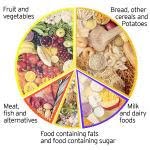
The ideal way to meet requirements of the above nutrients is by consuming adequate intake of normal foods (Perkins 2000). A normal hospital diet provides foods from all four food groups, but is often insufficient in quantity for patients with increased requirements. These patients may require supplementation with sip feeds, which are also fortified with an array of micronutrients. If a patient is consuming adequate amounts of food and sip feed supplements, it is doubtful that he/she will require specific vitamin or mineral supplements. In patients who have particularly stubborn wounds, a multi-vitamin and multi-mineral supplement may be administered.
Due to increased requirements, and the fact that many patients have a poor appetite and dietary intake, where oral sip feeds cannot help, artificial nutritional support may be initiated in the form of naso-gastric or gastrostomy feeding. Often patients are fed overnight by tube and encouraged to eat during the day, with the aim to wean them off tube feeding as nutritional status improves.
NutritionalAssessment
If a patients nutritional status is compromised, and they are unlikely to meet their requirements recovery will be delayed. Therefore nutritional assessment is vital to provide a baseline to work from. A good nutritional assessment involves the multidisciplinary approach including medical, nursing and dietetic staff. A number of assessment techniques may be employed including biochemical tests, weight, body mass index, anthropometry and dietary assessments. Nutritional Screening is an invaluable method of basic assessment done at nursing level. This is where a number of questions are asked concerning the patient's nutritional status to come up with a risk score, in order to identify possible risk of undernutrition. From this appropriate action can be initiated, which may include more detailed nutritional assessment.
Summary
It is obvious that nutrition plays a crucial role in wound healing, but there is little evidence that supplementing a patient's diet with specific nutrients in isolation improves clinical outcome. Further research is needed to identify the levels of supplements that will be of benefit to malnourished patients . Recommendations to patients with wounds should be to consume a healthy balanced diet, with sufficient quantities of energy and protein foods. All patients with wounds should have appropriate nutritional assessment through the multidisciplinary team.
Monday, January 10, 2011
IS ALCOHOL A CHOICE FOR ME

(Alcohol and Diabetes)
You may have heard that alcohol has certain health benefits. However, any pattern of drinking can be harmful. Proven ways of improving your health include: healthy eating, being active, and being a non-smoker.
The Association’s Clinical Practice Guidelines recommend that:
* People using insulin should be aware of delayed hypoglycemia (low blood glucose) that can occur up to 24 hours after drinking alcohol.
* People with type 1 diabetes should be aware of the risk of morning hypoglycemia if alcohol is consumed 2 to 3 hours after the previous evening’s meal.
* Alcohol should be limited to 1-2 drinks per day (less than 14 standard drinks / week for men and less than 9 standard drinks/ week for women).
* People with diabetes should discuss alcohol use with their diabetes healthcare team.
Health risks of alcohol use for people with diabetes
Alcohol can:
* affect judgement
* provide extra calories that can make weight loss or weight management a challenge
* increase blood pressure
* contribute to sexual difficulties
* damage the brain and nerves
* increase your triglycerides
* contribute to inflammation of the pancreas
* dehydrate the body which is very dangerous in someone with high blood glucose
* increase the risk of various cancers over time
* increase the risk of personality change such as depression or aggression
* worsen eye disease
* damage your liver over time

For young people in particular, alcohol use:
* can lead to addiction
* is associated with a dramatic increase in injuries and death
For those on insulin or some diabetes medications
* Drinking alcohol can increase your risk of having low blood glucose. To reduce this risk, take the following steps:
BEFORE Drinking Alcohol
* Eat regular meals, take your medication(s), and check your blood glucose levels frequently,
* Wherever you are, make sure someone with you knows your signs and symptoms of low blood glucose and how to treat it so they can help you.
* Be aware that glucagon, a treatment for low blood glucose, will not work while alcohol is in the body,
* Wear diabetes identification such as a Medic Alert
WHILE Drinking Alcohol
* Eat carbohydrate-rich foods when drinking alcohol.
* Eat extra carbohydrate-rich foods if you are dancing, playing sports or doing other physical activity.
* Drink slowly.
AFTER Drinking Alcohol
* Tell a responsible person that you have been drinking. They should look for low blood glucose symptoms.
* Check your blood glucose before going to bed. Eat a carbohydrate snack if your blood glucose is lower than usual.
* Set an alarm or have a responsible person wake you up through the night and early morning – a delayed low blood glucose can occur anytime up to 24 hours after drinking alcohol.
* You need to get up on time the next day for any food, medication or insulin you normally take. Missed medication or insulin can lead to high blood glucose, ketones and diabetic ketoacidosis (DKA).
You should not drink alcohol if you:
* are pregnant or trying to get pregnant,
* are breastfeeding,
* have a personal or family history of drinking problems,
* are planning to drive or engage in other activities that require attention,
* are taking certain medications.
In nutshell
If you do not drink alcohol, don’t start.
* If you choose to drink alcohol, intake should be moderate (daily intake should be limited to two drinks for adult men and one drink for adult women).
* When drinking alcohol, make sure you know how to prevent and treat low blood glucose.
* Heavy alcohol use can make blood glucose control more difficult and increases other health risks.
* Talk to your Psychologist or healthcare professional if you have questions.
B.Elayaraja M.Sc.,M.Phil.,PGDGC
Psycho social counselor.
Monday, December 13, 2010
TRUTH ABOUT “ARTIFICIAL SWEETNERS”

Good new for diabetic when you're trying to reduce the sugar and calories in your diet, you may be turning to artificial sweeteners or other sugar substitutes. You aren't alone. The popularity of artificial sweeteners and other sugar substitutes is on the rise as manufacturers and consumers seek lower calorie alternatives to regular white sugar without sacrificing sweetness.
Today, artificial sweeteners and other sugar substitutes are found in a variety of food and beverages marketed as "sugar-free" or "diet," including soft drinks, chewing gum, jellies, baked goods, candy, fruit juice and ice cream. In addition, other sugar substitutes are being touted as healthier sweeteners than regular sugar, even if they don't have fewer calories, such as honey and jaggery.
Artificial sweeteners are synthetic sugar substitutes but may be derived from naturally occurring substances, including herbs or sugar itself. Artificial sweeteners are also known as intense sweeteners because they are many times sweeter than regular sugar. In addition, you need only a fraction compared with the amount of regular sugar you would normally use for sweetness. Some artificial sweeteners may leave an aftertaste.
Alternate sweeteners can be classified as nutritive and non-nutritive.
Nutritive sweeteners contribute energy, whereas on-nutritive sweeteners do not.
Nutritive sweeteners apart from sugar, jaggery and honey include fructose, corn syrup, refined sugars, lactose, glucose, dextrose, concentrated fruit juices.

Non- nutritive sweeteners include saccharin, aspartame, acesulfame –K and sucralose offer no energy but as they sweeten with little volume are also referred to as high intensity sweeteners.

People who are weight conscious moved to diet drinks, diabetic sweets, jams and use sweetener for all their beverages and fruit juices. But now the studies are showing a correlation between use of artificial sweeteners and weight gain over a time period; this is due to how complex our body regulation of calories and other nutrients works. Because of misconception about artificial sweetener people think it is calorie free and tends to take in excess which leads to weight gain rather than weight loss. One thing for sure though that it doesn’t help with weight loss.


Artificial sweeteners tend to habituate our taste buds to an extent where it starts to demand more intense sweet flavors to please itself.


Artificial sweeteners may be a good alternative to sugar if you have diabetes. Unlike sugar, artificial sweeteners generally don't raise blood sugar levels because they are not carbohydrates
The FDA has also established an acceptable daily intake (ADI) for each artificial sweetener. Moderate consumption of these sweeteners as a tabletop sweetener can be recommended.
Thursday, December 2, 2010
Anti Obesity Day

Anti-Obesity Day is observed all over India on November 26th, 2010. The initiative seeks to spread the word about the dangers of obesity and the steps to take to cut the flab and stay fit.
Sheela Paul, Aruna & Manonmani
Obesity, it is a chronic condition defined by an excess amount body fat. A certain amount of body fat is necessary for storing energy, heat insulation, shock absorption, and other functions. The normal amount of body fat (expressed as percentage of body fat) is between 25%-30% in women and 18%-23% in men. Women with over 30% body fat and men with over 25% body fat are considered obese.
Know your Body mass index:
Body Mass Index (BMI) is a simple index of weight-for-height that is commonly used to classify underweight, overweight and obesity in adults. It is defined as the weight in kilograms divided by the square of the height in meters (kg/m2).

Source: Adapted from WHO, 1995, WHO, 2000 and WHO 2004.
Another best way to predict your obesity is measuring waist hip ratio for women 80cm and men 95cm. this can be easily measured with the help of an inch tape. Waist Hip Ratio is calculated by dividing your waist measurement by your hip measurement.

Best Waist-Hip Ratio for
- Men → 0.95 or less
- Women → 0.8 or less.
Causes of obesity
* Genetics
* Obesity and over-weight are caused by a chronic imbalance between energy intake and energy expenditure.
* High intake of dietary fat also causes obesity.
* Poor exercise and sedentary lifestyle are the main causes for obesity.
* Complex behavior and psychological factors also cause over-eating and thus lead to obesity.
* Disease & Hormones
* Metabolic errors in energy utilization may favour fat accumulation.
* Obesity in childhood and adolescence can lead to adult obesity

Risk factors associated with obesity
Being overweight or Obese the risk of myriad diseases & health conditions, including the following:
* Hypertension
* Dyslipidemia
* Type2 diabetes
* Coronary Heart Disease
* Stroke
* Gall Bladder Disease
* Osteoarthritis
* Sleep apnea & Respiratory problems
* Cancers (endometrial, Breast & Colon)
Dieting and Physical exercise are the mainstays of treatment for obesity

* Reducing calories is required for weight loss. Cutting only 100 extra calories a day from one's diet will lead to a weight loss of 5 kgs in a year, while cutting 500 calories a day will lead to a loss of 10 -12 kgs in a year.
* The combination of a reduced-calorie diet and increased physical activity will lead to better weight loss than either one done separately.
* Physical activity and exercise help burn calories (depends on the type, duration, and intensity of the activity).
Balance your intake and energy output

Healthy tips to Reduce Weight
* Eat less fried foods.
* Eat more fruits and vegetables.
* Eat more fiber rich food items like whole grains, grams and sprouts.
* Do regular exercise or keep the body weight within normal limits.
* Slow and steady reduction in body weight is advised.
* Severe fasting may lead to health hazards.
* Enjoy a variety of foods needed to balance your physical activity.
* Eat small meals regularly at frequent intervals.
* Cut down sugar, fatty foods and alcohol.
* Use low-fat milk.
* Weight reducing diet must be in rich in protein and low in carbohydrate and fat.
CHILDHOOD OBESITY
There is alarming increase in the number of children and adolescents developing Type-2 Diabetes (also termed as adult-onset diabetes) due to being overweight. Kids spending more time watching TV and eating a wide variety of fattening snack that have no nutritional value. These serious health problems can be life-threatening, physically uncomfortable or painful, and of course, downright depressing. A child that is overweight will likely be overweight as an adult.


Healthy habits start at home. The best way to fight and prevent childhood obesity and weight problems is to get the whole family on a healthier track. Making better food choices and becoming more active will benefit everyone, regardless of weight. And with the whole family involved, it will be much easier for your overweight child to make lasting changes.
“Obesity does not have to ruin your life; proper exercise and diet can overcome it”. Today is as good day to start reducing your weight.
Tip of the Week

Choose the right shoe and socks