K. Anupama, M.D. (Geriatric Medicine), FCD
Consultant Diabetologist
M.V.Hospital for Diabetes and Prof.M.V.DRC, Royapuram
Prevalence
Diabetes mellitus in older adults is under-diagnosed and under-treated. The most important demographic change to diabetes prevalence across the world appears to be the increase in the proportion of people >65 years of age (ADA). By 2030, it is estimated that the number of people with diabetes >64 years of age will be >82 million in developing countries and >48 million in developed countries (ADA). The prevalence of Diabetes mellitus increases with age, and the number of older people with diabetes is expected to grow as the elderly population increases.
The National Health and Nutrition Examination Survey (NHANES III) demonstrated that, in the population over 65 years old, 18% to 20% have diabetes, with 40% having either diabetes or its precursor form of impaired glucose tolerance.


Approximately 95% of older diabetic adults have Type 2 diabetes.
Type 1 diabetes and other causes of secondary diabetes are rare at this age.
There is no age- related adjustment in the diagnostic criteria recommended by the ADA. Glucose level cut-off points that predict complications apply to all ages.
The Human pancreas

The hormone insulin, which is produced by the pancreas, plays a vital role in diabetes.
Diabetes and the Physiology of Ageing
Many physiological changes associated with diabetes mellitus simulate or accelerate ageing processes. This is more frequent when there is a decrease in physiological reserves in many organ systems. Diabetic end- organ damage along with ‘homeostenosis’ can increase the vulnerability of older patients. Multiple factors such as age-related decline in insulin secretion and insulin resistance, adiposity, genetics, decreased physical activity, polypharmacy, and other co-existing illnesses predispose the elderly to diabetes.
Clinical Symptoms
Classic clinical symptoms of diabetes such as polyuria, polydipsia, and polyphagia might not occur in the elderly. The presence of hypoglycemia shows in the form of increasing incontinence, urinary tract infection, lethargy or confusion. Osmotic diuresis may result in volume depletion, orthostatic hypotension and in falls. It can also cause a deficiency of potassium, zinc, chromium, magnesium and other trace nutrients which affects cardiac and other muscle functions. It is also associated with reduced cognitive function and this decline correlates with glucose control.

Complications
Acute complications can be categorized as metabolic and infectious. Non-ketotic hyperosmolar coma occurs predominantly in elderly patients with Type 2 diabetes mellitus. The coma or the alterations in mental status may take several days to clear, lagging behind the correction of serum osmolality. Mortality rates are high. There is an increased risk of severe and unusual infections, particularly malignant external otitis, rhinocerebral mucormycosis, necrotizing fasciitis, emphysematous cholecystitis, and emphysematous pyelonephritis.
Relative risk of chronic complications:
Complication - Relative risk
CAD - (2)
Stroke - (2)
Blindness - (1.4)
Amputation - (10)
Renal disease - (2)
(Relative risk is calculated by comparing with people of the same age who do not have diabetes.)
Management principles
A diagnosis of diabetes is, on an average, associated with a 10-year reduction in life expectancy; but this figure decreases somewhat in advanced old age, where the risks of competing causes of mortality rise exponentially.
Apart from following ADA recommendations for glycemic control during treatment, it is also important to set realistic goals. The patient’s estimated life expectancy, preferences, and commitments; the availability of social support and services, economic issues, and the occurrence of co-existing health problems such as a major psychiatric disorder, a major cognitive disorder, diabetic complications, functional status, and complexity of medical regimen are some of the factors to be considered when setting the goals for treatment.

Diabetic management includes dietary intervention, exercise and medication. In elderly diabetics, malnutrition is more common than obesity. This is more so among patients in long-term healthcare facilities. The level of functional disability is correlated to meal preparation skills. There may be a lack of formal or informal support for obtaining food. Limited financial resources, age-related changes such as a decline in taste and smell perception, poor dentition or xerostomia may result in decreased food intake. Impaired cognitive function increases the patient’s dependence on the care giver.
Exercise is beneficial, although many patients have a limited capability because of co-morbidities and a lack of motivation.

For optimal pharmacological therapy, the target level of glycemic management has to be reassessed according to the patient’s ability for compliance and self-management; risk of hypoglycemia, efficacy of the chosen agent and potential adverse effects. Those who cannot take drugs orally, or fail to achieve the targeted glycemic control, have to take insulin.

Multiple risk factors for hypoglycemia such as renal insufficiency, hepatic dysfunction, cognitive impairment, autonomic neuropathy, and adrenergic blocking drugs, poor nutrition, alcohol, sedating agents, polypharmacy, tight glycemic control and recent hospitalization may co-exist.
Diabetes mellitus results in a ~two-fold risk of death in the elderly. Approximately 50% die of cardio-vascular disease.
Monday, June 20, 2011
DIABETES MELLITUS IN THE ELDERLY


Wednesday, May 18, 2011
CAN DIABETIC TAKE MANGO
MS.RUBINI, MRS.SHEELAPAUL
Treating diabetes, eating in moderation is the key principle. Contrary to the common notion that fruits should not be taken by diabetic. Diabetics often ask whether it is safe for them to eat large quantities of fruit. Many people suffering from diabetes avoid eating fruit because they are worried about the high sugar content found in most fruits. Fortunately, there are many fruits a diabetic can enjoy which do not significantly affect blood glucose levels.
Fruits are essential part of a diet since they are generally a great source of vitamins, minerals and fiber needed for the body. Aside from the many benefits of fruits to the person’s wellness, most fruits are also found to have medicinal properties known to cure certain diseases. You can still eat fruits but should be taken in moderation. Sun-dried and dry fruits such as raisins and dates should be restricted by diabetics because they contain high levels of calories and carbohydrate.

In India mangoes are grown widely in the southern belt. ‘Alphonso’ variety of mango which is exported world wide is cultivated in ‘Ratnagiri’ in the southern part of India. It is an affordable and seasonal fruit. Mangoes can be eaten both raw and ripe.
Mangoes are a good source of vitamins and minerals and fiber. Mangoes are high in antioxidants, and like other yellow/orange fruit such as Papaya and orange, they are an excellent source of beta-carotene (Vitamin A). They also contain Vitamin E and selenium which help to protect heart disease and cancer. The phenolic compound found in mangoes has been found to have powerful antioxidant and anticancer properties. Being high in iron, mango is said to be very good for pregnant women as well as for people suffering from anemia. Mango is believed to be effective in relieving clogged pores of the skin.

Nutrition Facts and Information about Mango:
Mango is a good source of minerals such as copper and potassium. It contains traces of magnesium, manganese, selenium, calcium, iron, and phosphorus.
Calorific Content of Mango: 100g of mango contains about 75 calories. Raw mangoes contain starch, which is converted into sugar as the fruit ripens.
Fiber rich foods: are general safe for diabetics to eat because they tend to have a lower glycemic index (GI) and therefore do not spike blood sugar levels to the same extent as high GI foods. This is because fiber slows down the absorption of sugar into the blood stream. Fiber rich fruits tend to be fruits with edible skins and seeds as it is these parts of the fruit that are highest in fiber.
Vitamin Content: Mango is rich in Vitamin C and Vitamin A. Vitamin C content is more in raw mango as compared to that in ripe mango. It also has traces of Vitamin E, Vitamin B and Vitamin K.

The dulcet, juicy insides of the mango pack a nutritional punch. Its characteristic orange color is a clue to its storehouse of beta carotene (Vitamin A). Ripe mangos hold the highest levels of beta carotene, while green mangos are higher in Vitamin C. These antioxidant carotenoids are known for their protective power against certain cancers. Mangos also supply ample potassium, making them ideal for hypertensive patients or anyone looking to replenish energy after physical activity.
We all know the importance of fiber in our diets. If you are eating your mango-a-day, irregularity is not a problem for you and so we’ll spare the gruesome details regarding constipation, piles and spastic colon. Research has shown that dietary fiber has a protective effect against degenerative diseases, especially with regards to the heart; may help prevent certain types of cancer, as well as lowering blood cholesterol levels.
Fruits high in fructose, and those with high fructose to glucose ratios are also beneficial to diabetics because fructose does not require insulin to metabolize and therefore can be enjoyed by diabetics in prescribed amounts.
Health Benefits of Mango: The nutritional value of mango makes it good for weight gain, eye disorders, hair loss, heat stroke, prickly heat, diabetes, bacterial infections, sinusitis, piles, indigestion, constipation, morning sickness, diarrhea, dysentery, scurvy, spleen enlargement, liver disorders, menstrual disorders, leucorrhea, and vaginitis.

Nutritive value for 100 g of mangoes:
Calories: -74 kcals
Protein -0.8g
Carbohydrate -16.9 g
Fat: -0.8 g
Fibe -0.8g
Potassium -323 mg
Phosphorus -23 mg
Magnesium -19 mg
Calcium -21 mg
Sodium -4 mg
Iron -0.27 mg
Selenium - 1.2 mcg
Manganese - 0.056 mg
Copper - 0.228 mg
Zinc - 0.08 mg
Vitamin A - 1584 IU
Vitamin B1 (thiamine) - 0.12 mg
Vitamin B2 (riboflavin) - 0.118 mg
Niacin - 1.209 mg
Folate - 9 mcg
Pantothenic Acid - 0.331 mg
Vitamin B6 - 0.227 mg
Vitamin C - 57.3 mg
Vitamin E - 2.32 mg
Vitamin K - 8.7 mcg
Conclusion:
A Diabetic can take fruit as a snack in prescribed amount and better not with the meals. If diabetic wants take fruits with meals then they must reduce their cereal portion. A mango is beneficial to human kind in many ways and form. So now you can purchase and enjoy the king of fruit Mango during this season without any guilt.
Tuesday, April 26, 2011
BEVERAGES TO BEAT THE SUMMER HEAT
DR.Rohini , Mrs. Sheela Paul, Ms. Manonmani
Dept of nutrition and dietetics

Summer heat just screams fruity and cold beverages. Not only do they help you stay hydrated but are delicious and gives you a refreshing feeling. And with all the seasonal fruits being harvested, it's a great way to drink in the taste of summer. Whether you prefer ice tea or freshly squeezed lime juice or you're just curious to know how some popular summer beverages stack up nutritionally, then we unveil the curtain and present to you a treasure chest of delicious healthy drinks to beat the heat this summer.
LEMON BARLEY JUICE

Ingredients:
1. Barley powder- 2tsp
2. Lime juice- 2 to 3 drops
3. Ginger juice- 1- 2 drops
4. Pepper powder- to taste
5. Water- 200ml
6. Jeera powder- to taste
7. Salt- to taste
Method:
1. Boil 2tsp barley powder in 200 ml of water.
2. Then add lime juice, ginger juice, pepper powder, jeera powder and salt. Pour it in a glass and serve it chilled.
Nutritive value:
Macronutrients
Calories - 35kcal
Carbohydrate - 7.5g
Protein - 0.9g
Fiber - 1.5g
MINT LIME JUICE

Ingredients:
1. Mint - Few Leaves
2. Lime juice - 2tsp
3. Water - 200ml
4. Salt - to taste
Method:
1. Blend Fresh mint leaves in a mixer.
2. Add 2tsp of lime juice, salt and water.
3. Mix well and serve chilled.
Nutritive value:
Calories, carbohydrate, fat and protein neglible.
LEMON ICE TEA

Ingredients:
1. Lime juice – 2tsp
2. Water – 200ml
3. Ice cubes- few
4. Tea bags- 2
5. Sugar free- to taste
Method:
1. In a large saucepan, bring 200ml of water to a boil.
2. Remove water from heat and add tea bags. Cover and let it stand 5 minutes. Remove tea bags.
3. Add sugar free and lime juice according to taste. Add ice cubes and stir well. Ice tea is ready to serve.
Nutritive value:
Calories, carbohydrate, fat and protein neglible
TOMATO CUCUMBER JUICE

Ingredients:
1. Cucumber –150g
2. Tomato – 100g
3. Coriander leaves – to garnish
4. Lime juice – 2 tsp
5. Salt and pepper - to taste
Method:
1. Peel and cut the cucumber. Blend the tomato and cucumber in a blender
2. Add salt and pepper powder, pour it in a glass
3. Garnish it with coriander leaves.
Nutritive value:
Macronutrients
Calories - 30 kcal
Carbohydrate - 4g
Protein - 0.2g
Fiber - 2.1g
RELAXATION JUICE

Ingredients:
1. Carrot – 1(100g)
2. Cucumber- 100g
3. Lime juice – 1tsp
4. Salt and pepper powder – to taste
5. Coriander leaves – to garnish
Method:
1. Wash, peel and cut carrot and cucumber. Blend it
2. Add salt and pepper to taste.
Nutritive value:
Macronutrients
Calories - 35 kcal
Carbohydrate - 6g
Protein - 0.2g
Fiber - 3.1g
Saturday, March 12, 2011


MRS.SHEELAPAUL, MS.MARY SHALINI VIVEKA .J
Diabetes that starts in later life is almost always caused by inability to respond to insulin, not by lack of that hormone. Recent research shows that eating too much fat and too many refined carbohydrates causes the diabetes, and avoiding excess fat and refined carbohydrates helps to control diabetes.
Insulin cannot do its job of driving sugar from the bloodstream into cells until it attaches on hooks on a cell's surface called insulin receptors. Eating too much fat and being fat decrease the number of insulin receptors and cause diabetes. Eating refined carbohydrates in sugar-added foods and drinks, bakery products and pastas calls out the most insulin and therefore increases risk for diabetes.


The epidemic increase in diabetes over the last 20 years is most certainly caused by changes in our diet: taking in too much fat and refined carbohydrate, and being too fat. A sedentary lifestyle and a diet high in carbohydrates, full-fat dairy products and saturated fat from red meat contribute to abdominal fat. Eating a healthy diet with a proportion of fruits, vegetables and other high-fiber, low-fat products can help reduce excess abdominal fat. According to a study conducted by “The American Society for Nutritional Sciences” -Substituting a modest amount of protein from chicken or fish for some of the carbohydrate in your diet can also be beneficial, To achieve the best results, people with diabetes should talk to health care providers about adjusting both diet and activity levels.
Sugars and fats are (besides alcohol) the only sources of energy in your blood. (Redundant protein is converted into sugars and fats) You need fat to stabilize the need for glucose; Sugars supply you with 'fast' energy, but this source is exhausted pretty fast too. Fats keep you going all day, and while you're asleep. When a meal mainly consists of protein or crabs, the blood glucose level increases much more than when also much fat is absorbed. Also, there is less fatty acid available and thus more glucose is utilized for energy. And because of this, the blood-glucose level decreases sooner too. So, there is a much stronger fluctuation of the blood-glucose level. Consuming too little fat causes your blood-glucose level to fluctuate too much, exhausting the insulin-energy system, which causes diabetes.

REASON TO CUT DOWN YOUR FAT
One of the first reasons is the calorie value of fat. Fat is extremely calorie dense, and so it's really easy to get in a lot of calories when we take in fat. Let's take half a cup of peas about seventy to eighty calories. Now, if we add one tablespoon of butter to those peas, it will be a hundred and seventy calories. If we take a half a cup of rice, it's seventy to eighty calories, add one tablespoon of ghee, its a hundred and seventy calories. So any time you add fat to food, you double and triple the calories without changing the volume. So by cutting the fat you're automatically going to cut calories without necessarily changing how much you're eating. A chocolate, that tiny small volume of food may not seem like much but from a calorie perspective it's quite a bit. And if you compare it to something that's really low in calories like vegetable salad there's quite a difference. Ten small chocolate is exactly the same number of calories as five cups of salad so, both fat and sugars have that effect of increasing calories while shrinking the volume.


The fat that is solid at room temperature is what we call saturated fat. Now saturated fat increases the cholesterol that tends to cling to the artery wall, which we call the bad cholesterol, or the LDL cholesterol. Most of the foods are very rich in saturated fat. Fat that's in cheese, in any of your meats, what we call hydrogenated fats in margarine, partially hydrogenated fats in many of the baked goods, those kind of fats raise our cholesterol, so when we cut our total fat, we often end up cutting the saturated fat as well. And the third reason why we want to cut the fat is because the fat in the meal creates more insulin resistance. The body is actually less responsive to insulin when there is a high fat meal. And in addition, there is an effect on what we call endothelial function. The blood vessel is less likely to be able to open and close naturally and tends to stay stiffer when there is fat in the meal
METABOLIC SYNDROM AND FAT
Another reason for the high number of heart attacks in type 2 diabetics is probably related to the work of fat cells around the waist or abdominal area. At one time it was thought that adipocytes, or fat cells, simply served as storage depots for fat. Further research has revealed that fat cells make adipokines... signals that have an important effect upon fat metabolism. Fat in your belly causes your body to make types of fat which are known to build plaques in your blood vessels. The narrowed blood vessels make it difficult for your heart to pump all the blood through this smaller space, increasing your heart's work and blood pressure. Adipokines also appear to decrease insulin sensitivity, causing cells to be unable to take in sugar efficiently.

This combination... increased belly fat, certain types of fats in your blood, and high blood pressure is known as the metabolic syndrome. Metabolic syndrome, especially when combined with obesity, increases the risk for heart disease, strokes, and death. Most people with type 2 diabetes would already have the metabolic syndrome.
Although your first goal is to control your blood sugar levels... in order to prevent vascular complications of diabetes, you also need to achieve normal levels of blood fats, or cholesterol. Above all, your belly fat or abdominal fat issue needs to be addressed as this is a major underlying problem.
Fat is the third and last place insulin tries to deposit glucose circulating in the bloodstream for storage. The first location is cells in the liver and the second are your muscle cells. So for glucose to be going into your fat cells you had to consume more than you required for your immediate energy needs and more than what can fit into your short term storage.
If you look up the many things insulin do you’ll find that insulin happens to also be a growth hormone? This may be one of the reasons why high blood insulin levels are associated with several types of cancer. High circulating levels of insulin in your blood also happens to increase your appetite.

Adding cardiovascular activities like walking 30 minutes each day—can also trim down a spare tire. People who exercise regularly experience significant improvements in insulin sensitivity, allowing them to use the insulin they produce more efficiently and lower blood sugar and lipid levels.


Reducing fat in your diet doesn't mean you will face a life of tasteless but with required amount you can have a healthy heart and life
Tuesday, March 8, 2011
PROTEIN FOR HEALTHY BODY
MRS.SHEELA PAUL MS.S.VIMALA

Proteins have always been considered very essential and is said to be a very vital part of one’s diet.
Proteins are a necessary part of every living cell in the body. Next to water, protein makes up the greatest portion of our body weight. In the human body, protein substances make up the muscles, ligaments, tendons, organs, glands, nails, hair, and many vital body fluids, and are essential for the growth, repair and healing of bones, tissues and cells.
Proteins help regulate the body's water balance and maintain the proper internal pH. They assist in the exchange of nutrients between the intracellular fluids and the tissues, blood, and lymph. They help provide energy. A deficiency of protein can upset the body's fluid balance, causing edema (water retention).

The essential amino acids are those that the body cannot synthesize in sufficient quantities to satisfy the nutritional requirements for good health and that they must be included in the diet.
Non-essential amino acids are the amino acids that your body can produce on its own. That doesn't mean that they aren't essential to your body, it just means that you don't have to get them from other places. They are still very essential for different body functions.

Diets that are not balanced or that are high in empty carbohydrates can become protein (and amino acid) deficient. If our diet doesn't supply an adequate amount, the body draws on its own tissue proteins. Because the body can't store amino acids it will break down its own protein structure, including healthy muscle, to meet the need for single amino acids.
As said “Too much of anything is bad for health” proves to be right in consumption of proteins also. Excessive proteins may lead to adverse affects on your health. So it is advisable to intake protein rich foods depending upon your physical activity.

Let us have a look on foods that are rich in proteins. Meat, fish, Poultry, Cheese, Milk and Eggs are good source of Protein.
The requirement of Protein depends upon a person’s age, gender and physical activity. It is calculated on the basis of 'ideal body weight'. Based on height and gender, the ideal body weight is calculated. The daily protein requirement is calculated in terms of grams per day for every kilogram you weigh.
For a person who is accustomed to sitting or taking little exercise, the recommended daily protein intake is 0.75g per kg of body weight. A person whose physical activity level is good enough and who performs exercises for about an hour or so, for them the ideal protein intake is about 1.0-1.2g of protein per kg of body weight.
In case of athletes, however, the recommended protein requirement differs. Apart from a greater lean mass and greater need for tissue repair, they burn a small amount of protein, during physical activity. As such, athletes have a higher protein requirement. For those engaged in endurance training, the protein intake should be about 1.2-1.4g of protein per kg of body weight, while for athletes, who are engaged in strength training, the daily recommended protein requirement is approximately 1.6-1.7g of protein per kg of body weight.
Diabetic patients are advised to strive for a moderate protein intake. While it is true that protein turnover is increased in poorly controlled diabetes, this should not influence recommendations on dietary protein intake. When diabetes is controlled, protein metabolism becomes normal.
One of the complications of diabetes leading to kidney failure is nephropathy. It is caused by poor blood sugar control over time damaging blood vessels and the filtering mechanism of the kidneys. It is not caused by eating protein. This condition often progresses to end-stage renal failure regardless of treatment. People with diabetes are often recommended to limit protein intake to protect their kidneys. Since fat is also limited that leaves a dietary intake of high carbohydrates: the very foods that elevate blood sugar the most.

Reduction of protein intake to 0.8–1.0 g • kg body wt /day in individuals with diabetes and the earlier stages of chronic kidney disease (CKD) and to 0.8 g • kg body wt /day−1 in the later stages of CKD may improve measures of renal function (urine albumin excretion rate, glomerular filtration rate) and is recommended.(ADA)
Severe protein restriction even in people with severe nephropathy can led to malnutrition and does not slow the progression of the disease.

The key to prevent or slow the development of any of the complications of diabetes remains maintaining the best blood sugar control possible. Each person needs to find the dietary approach that they can follow for a lifetime. The dietary intake of protein for individuals with diabetes is similar to that of the general public. Pay attention to your protein intake. An ounce of prevention is well worth the effort.
Monday, February 14, 2011
DIABETES AND DIABULIMIA

Diabulimia is nevertheless a serious and emerging problem. Experts predict that as many as one-third of young female diabetics could be suffering as a result of this condition.
Diabulimia
Diabulimia is a term created to represent a condition of diabetic bulimia. The condition occurs when insulin-dependant diabetics skip injection in order to lose weight. This type of disorder usually affects type 1 diabetics. Young diabetics, who already have numerous issues to deal with, realise the potential weight loss possible by skipping insulin, without understanding how much they are damaging their bodies.
How does diabulimia work?

Diabetics who are reliant on insulin find that it is a storage hormone, and promotes fat. If patients miss injections, or manipulate dosage, they could theoretically reduce weight. Diabetics can continue to manage their disease, but neither safely nor effectively. Diabetic patients could avoid ketoacidosis and obvious signs of management failure, without realising the extent of damage that they are causing.
Why is it called Diabulimia?
The term, itself relatively recent, refers to a combination of diabetes and bulimia, a common eating disorder. In America, the phenomena is well known, and even recognised by the American Diabetes Association. Insulin omission is often seen in young girls.
Its affects on the body?

The side effects of manipulating and omitting insulin from the body can be serious and dangerous. Blood sugar levels can surge and reach an unhealthy level, leading to fatigue, dehydration and eventually wearing of the muscle tissue. Over a long-term, the symptoms are the same as badly managed diabetes. These can include complications such as retinopathy, neuropathy, kidney disease and further damage.
Treatment:

Diabulimia should be treated with psychological care and close monitoring.
* Cognitive-behavioural therapy teaches people how to keep track of their eating and change their unhealthy eating habits. It also teaches them how to change the way they act in tough situations.
* Interpersonal psychotherapy helps people look at their relationships with friends and family and make changes in problem areas.
* Drug therapy, such as antidepressants, may be helpful for some people.
Early prevention is key to avoid long-term damage to the diabetic patient.
Acknowledgement:
Diabetes.uk.in (M.Sc.,M.Phil.,PGDGC)
SEPH
B.ELAYARAJA (Counseling Psychologist & Asst Head)
COUNT YOUR

Mrs. Bhauvaneshvari
& Mrs. Sheela paul
Dietitian

Carbohydrates are the most important part of the food we eat. They directly affect your blood glucose almost immediately after you eat them. Carbohydrate counting, or "carb counting," is a meal planning technique for managing your blood glucose levels. Carbohydrate counting is important for all types of diabetes including type 1, type2, pre-diabetes and gestational diabetes. While maintaining a tolerable blood glucose levels, our body also need nutrients to function normally. Carbohydrate, protein and fat are the three main nutrients that give us energy. Carbohydrates are more easily converted into glucose compare to protein or fat.
There are generally two types of carbohydrates; simple carbohydrates (containing sugars like glucose and sucrose) and complex carbohydrates (containing fiber and starch). Simple carbohydrates raise blood glucose levels rapidly because their molecular structure breaks down faster in our stomach and small intestine. Complex carbohydrates, on the other hand take longer to be converted into glucose because their molecular structure is much more complicated. Every gram of carbohydrate that you consume provides 4 calories. A diabetic adult meal plan should provide 50-60% of carbohydrate from total calories.
Foods that contain carbohydrate will raise blood glucose. By keeping track of how many carbohydrates you eat, will help to keep your blood glucose levels in your target range. The right amount of carbohydrate depends on your gylcemic control, physical activity and medication. Each meal should contribute about 45-60 gm of carbohydrate. You may need more or less carbohydrate at meals depending on how you manage your diabetes.
Protein and Fat
With carbohydrate counting, it is easy to forget about the protein and fat in meals. Always include a source of protein and fat to balance out your meal. Carbohydrates in the diet have a direct effect on blood glucose levels. All foods that provide calories are converted into glucose by the body. While fats and proteins in a meal are eventually converted by the body into glucose to use for energy, carbohydrates (sugars and starches) are converted to blood glucose quickly- within an hour or so after a meal. Therefore, the level of glucose in the blood after a meal will be directly related to the amount of carbohydrate just eaten.

Carbohydrate counting is one of several methods of meal planning used by people with diabetes. This relatively new approach was one of the meal planning methods used in the Diabetes Control and Complications Trial (DCCT), and it is based on recent advances in the study of diabetes management.
Many people with type 2 diabetes are on oral medications to help them control their blood sugar. Some people can control their Type 2 diabetes with diet and exercise. Does that just mean eat good foods? Well, that is a part of it, but carbohydrates raise your blood sugar, not just sugar. Just because a food doesn't taste sweet, doesn't mean it won't raise your blood sugar. Exercise will usually lower it. If you are controlling your diabetes with diet and exercise, limiting your amount of carbohydrate intake can help control spikes in your blood sugar, and therefore help you to reduce your risk of complications, such as heart disease, amputation, and eye problems.
Insulin and exercise lower blood sugar, while carbohydrate raises it. Therefore, you want these things to balance to prevent hyper and hypoglycemia. If you are on an insulin pump, you tell the pump how many carbohydrates you are going to eat and most pumps do the math to give you the right amount of insulin to match the carbohydrates. If your carbohydrate factor is set correctly, this usually works out well.
With gestational diabetes it's important to count carbohydrates because you want to consume enough carbohydrates to help your baby optimally, but you need to control spikes in your blood sugar too.
With pre-diabetes carbohydrate counting is important because it can help slow the progression to full-fledged diabetes.
Diabetes is a progressive disease. The further you are along this path, the harder glucose control becomes, and the more careful you need to be with your carbohydrate counting for success. Counting carbohydrates is part science and part art.

Reading food labels is a great way to know how much carbohydrate is in a food. For foods that do not have a label, you have to estimate how much carbohydrate is in it. Keeping general serving sizes in mind will help you estimate how much carbohydrate you are eating.
For most people with diabetes, Carbohydrate Counting is a more flexible and simple alternative to the Exchange System. The goal is to make sure you're eating a fairly consistent amount of carbohydrate each day, in a similar pattern.
A word of caution: while counting carbohydrates can help manage blood glucose levels, it can also lead to weight gain if the fat and protein contents of foods are ignored. A lot of foods contain both carbohydrate and fat, such as many desserts, which will dramatically increase the calorie content of your food choices and could lead to weight gain. A medium banana and a chocolate candy bar both contain about 30 grams of carbohydrate, but the chocolate bar also contains an extra 15 grams of fat and 150 calories!
1 serving = 15gm of CHO

NOTE: 1 CUP MEASURE 150 ML
The final word on carbohydrate counting
Counting carbohydrates allows flexibility in your meal plan, but you can't abandon your meal plan and eat as many carbohydrates as you desire. Keep in mind your overall goals--to keep your carb intake at a certain amount each day, and keep your glucose as close to normal as possible--and you'll do well. Remember to consult your healthcare team before making any of the changes discussed here.
Saturday, January 29, 2011
IMPORTANCE OF GOOD NUTRITION IN HEALING WOUNDS
MRS.SHEELAPAUl (DIETITIANS)
MRS.MALINI

The importance of good nutrition in the healing of wounds and the promotion of health is widely accepted, but remains of low priority in health care and insufficient numbers of patients receive nutritional assessment. Practitioners need to become more knowledgeable about the role of nutrition in the promotion of wound healing.

Whereas good nutrition facilitates healing, malnutrition delays, inhibits and complicates the process . Nutritional support is fundamental to patient care and needs vary on an individual patient basis. Before we examine the importance of nutritional assessment, we need to look at the nutrients which have key roles in the healing process:

Protein
Protein depletion can affect the rate and quality of wound healing. There is an increase in demand for protein in the presence of a wound, a requirement further increased in the event of sepsis or stress. Protein is required as part of the inflammatory process, in the immune response and in the development of granulation tissue. The main protein synthesised during the healing process is collagen, and the strength of the collagen determines wound strength.

Even short periods of low protein intake can result in significantly delayed wound healing. Protein inadequacy has also been shown to affect remodelling of the wound. In extreme cases of hypoalbuminaemia (i.e. low levels of the serum protein albumin) from long periods of insufficient protein intake, oedema may develop.
The amino acid arginine becomes essential during severe stress. It is abundant in the structure of collagen, and increases its tensile strength. Arginine metabolism is also related to the production of nitric oxide, which is bactericidal, and also aids wound healing through microvascular and haemodynamic changes.
Carbohydrate
As part of the healing process the body enters a hypermetabolic phase, where there is an increase in demand for carbohydrate. Cellular activity is fuelled by adenosine triphosphate (ATP) which is derived from glucose, providing the energy for the inflammatory response to occur. In the case of insufficient carbohydrate, the body breaks down protein to provide glucose for cellular activity . Therefore, in order to correct hypoalbuminaemia, carbohydrate is required as well as protein.
Fats

Fats have a key role in cell membrane structure and function.Certain fatty acids are essential, as they cannot be synthesised in sufficient amounts, so must be provided by diet. The role of essential fatty acids in wound healing is unclear, but as they are involved in the synthesis of new cells, depletion would certainly delay wound healing. Omega-3fatty acids are anti-inflammatory, which aids wound healing.
Vitamins
B-Complex vitamins are co-factors or co-enzymes in a number of metabolic functions involved in wound healing, particularly in the energy release from carbohydrates.

Vitamin C has an important role in collagen synthesis, in the formation of bonds between strands of collagen fibre, helping to provide extra strength and stability. There is loads of evidence showing increased requirements for vitamin C during injury, stress and sepsis, but there is no evidence that mega dosing improves clinical outcomes
Vitamin K is involved in the formation of thrombin, and deficiency in the presence of wounds could lead to a haematoma. Vitamin A is also involved in the cross-linking of collagen and the proliferation of epithelial cells.
Minerals
Zinc is required for protein synthesis and is also a co-factor in enzymatic reactions. There is an increased demand for zinc during cell proliferation and protein secretion. Zinc also has an inhibitory effect on bacterial growth, and is involved in the immune response. Early studies suggest zinc supplementation, over and above that of the hospital diet, speed wound healing. Iron is a co-factor in collagen synthesis, and deficiency in iron delays wound healing. Copper is also involved in collagen synthesis.
Supplementation
The issue of supplementation in aiding wound healing is debatable. It is doubtless that a sufficient intake of all nutrients is needed, and that requirements may be raised during the healing process. This is often also the time when the patient, feeling unwell, has a poor appetite and dietary intake. There is some argument for supplementation with vitamin C and zinc in wound healing, but the evidence seems to point to being only when the patient is deficient in intake or has a low serum status. It is therefore necessary to check status of these two micronutrients along with other biochemical parameters in appropriate patients.

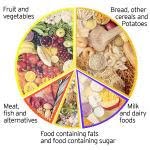
The ideal way to meet requirements of the above nutrients is by consuming adequate intake of normal foods (Perkins 2000). A normal hospital diet provides foods from all four food groups, but is often insufficient in quantity for patients with increased requirements. These patients may require supplementation with sip feeds, which are also fortified with an array of micronutrients. If a patient is consuming adequate amounts of food and sip feed supplements, it is doubtful that he/she will require specific vitamin or mineral supplements. In patients who have particularly stubborn wounds, a multi-vitamin and multi-mineral supplement may be administered.
Due to increased requirements, and the fact that many patients have a poor appetite and dietary intake, where oral sip feeds cannot help, artificial nutritional support may be initiated in the form of naso-gastric or gastrostomy feeding. Often patients are fed overnight by tube and encouraged to eat during the day, with the aim to wean them off tube feeding as nutritional status improves.
NutritionalAssessment
If a patients nutritional status is compromised, and they are unlikely to meet their requirements recovery will be delayed. Therefore nutritional assessment is vital to provide a baseline to work from. A good nutritional assessment involves the multidisciplinary approach including medical, nursing and dietetic staff. A number of assessment techniques may be employed including biochemical tests, weight, body mass index, anthropometry and dietary assessments. Nutritional Screening is an invaluable method of basic assessment done at nursing level. This is where a number of questions are asked concerning the patient's nutritional status to come up with a risk score, in order to identify possible risk of undernutrition. From this appropriate action can be initiated, which may include more detailed nutritional assessment.
Summary
It is obvious that nutrition plays a crucial role in wound healing, but there is little evidence that supplementing a patient's diet with specific nutrients in isolation improves clinical outcome. Further research is needed to identify the levels of supplements that will be of benefit to malnourished patients . Recommendations to patients with wounds should be to consume a healthy balanced diet, with sufficient quantities of energy and protein foods. All patients with wounds should have appropriate nutritional assessment through the multidisciplinary team.
Tip of the Week

Choose the right shoe and socks