Diabulimia is nevertheless a serious and emerging problem. Experts predict that as many as one-third of young female diabetics could be suffering as a result of this condition.
Diabulimia
Diabulimia is a term created to represent a condition of diabetic bulimia. The condition occurs when insulin-dependant diabetics skip injection in order to lose weight. This type of disorder usually affects type 1 diabetics. Young diabetics, who already have numerous issues to deal with, realise the potential weight loss possible by skipping insulin, without understanding how much they are damaging their bodies.
How does diabulimia work?

Diabetics who are reliant on insulin find that it is a storage hormone, and promotes fat. If patients miss injections, or manipulate dosage, they could theoretically reduce weight. Diabetics can continue to manage their disease, but neither safely nor effectively. Diabetic patients could avoid ketoacidosis and obvious signs of management failure, without realising the extent of damage that they are causing.
Why is it called Diabulimia?
The term, itself relatively recent, refers to a combination of diabetes and bulimia, a common eating disorder. In America, the phenomena is well known, and even recognised by the American Diabetes Association. Insulin omission is often seen in young girls.
Its affects on the body?

The side effects of manipulating and omitting insulin from the body can be serious and dangerous. Blood sugar levels can surge and reach an unhealthy level, leading to fatigue, dehydration and eventually wearing of the muscle tissue. Over a long-term, the symptoms are the same as badly managed diabetes. These can include complications such as retinopathy, neuropathy, kidney disease and further damage.
Treatment:

Diabulimia should be treated with psychological care and close monitoring.
* Cognitive-behavioural therapy teaches people how to keep track of their eating and change their unhealthy eating habits. It also teaches them how to change the way they act in tough situations.
* Interpersonal psychotherapy helps people look at their relationships with friends and family and make changes in problem areas.
* Drug therapy, such as antidepressants, may be helpful for some people.
Early prevention is key to avoid long-term damage to the diabetic patient.
Acknowledgement:
Diabetes.uk.in (M.Sc.,M.Phil.,PGDGC)
SEPH
B.ELAYARAJA (Counseling Psychologist & Asst Head)
Monday, February 14, 2011
DIABETES AND DIABULIMIA


COUNT YOUR

Mrs. Bhauvaneshvari
& Mrs. Sheela paul
Dietitian

Carbohydrates are the most important part of the food we eat. They directly affect your blood glucose almost immediately after you eat them. Carbohydrate counting, or "carb counting," is a meal planning technique for managing your blood glucose levels. Carbohydrate counting is important for all types of diabetes including type 1, type2, pre-diabetes and gestational diabetes. While maintaining a tolerable blood glucose levels, our body also need nutrients to function normally. Carbohydrate, protein and fat are the three main nutrients that give us energy. Carbohydrates are more easily converted into glucose compare to protein or fat.
There are generally two types of carbohydrates; simple carbohydrates (containing sugars like glucose and sucrose) and complex carbohydrates (containing fiber and starch). Simple carbohydrates raise blood glucose levels rapidly because their molecular structure breaks down faster in our stomach and small intestine. Complex carbohydrates, on the other hand take longer to be converted into glucose because their molecular structure is much more complicated. Every gram of carbohydrate that you consume provides 4 calories. A diabetic adult meal plan should provide 50-60% of carbohydrate from total calories.
Foods that contain carbohydrate will raise blood glucose. By keeping track of how many carbohydrates you eat, will help to keep your blood glucose levels in your target range. The right amount of carbohydrate depends on your gylcemic control, physical activity and medication. Each meal should contribute about 45-60 gm of carbohydrate. You may need more or less carbohydrate at meals depending on how you manage your diabetes.
Protein and Fat
With carbohydrate counting, it is easy to forget about the protein and fat in meals. Always include a source of protein and fat to balance out your meal. Carbohydrates in the diet have a direct effect on blood glucose levels. All foods that provide calories are converted into glucose by the body. While fats and proteins in a meal are eventually converted by the body into glucose to use for energy, carbohydrates (sugars and starches) are converted to blood glucose quickly- within an hour or so after a meal. Therefore, the level of glucose in the blood after a meal will be directly related to the amount of carbohydrate just eaten.

Carbohydrate counting is one of several methods of meal planning used by people with diabetes. This relatively new approach was one of the meal planning methods used in the Diabetes Control and Complications Trial (DCCT), and it is based on recent advances in the study of diabetes management.
Many people with type 2 diabetes are on oral medications to help them control their blood sugar. Some people can control their Type 2 diabetes with diet and exercise. Does that just mean eat good foods? Well, that is a part of it, but carbohydrates raise your blood sugar, not just sugar. Just because a food doesn't taste sweet, doesn't mean it won't raise your blood sugar. Exercise will usually lower it. If you are controlling your diabetes with diet and exercise, limiting your amount of carbohydrate intake can help control spikes in your blood sugar, and therefore help you to reduce your risk of complications, such as heart disease, amputation, and eye problems.
Insulin and exercise lower blood sugar, while carbohydrate raises it. Therefore, you want these things to balance to prevent hyper and hypoglycemia. If you are on an insulin pump, you tell the pump how many carbohydrates you are going to eat and most pumps do the math to give you the right amount of insulin to match the carbohydrates. If your carbohydrate factor is set correctly, this usually works out well.
With gestational diabetes it's important to count carbohydrates because you want to consume enough carbohydrates to help your baby optimally, but you need to control spikes in your blood sugar too.
With pre-diabetes carbohydrate counting is important because it can help slow the progression to full-fledged diabetes.
Diabetes is a progressive disease. The further you are along this path, the harder glucose control becomes, and the more careful you need to be with your carbohydrate counting for success. Counting carbohydrates is part science and part art.

Reading food labels is a great way to know how much carbohydrate is in a food. For foods that do not have a label, you have to estimate how much carbohydrate is in it. Keeping general serving sizes in mind will help you estimate how much carbohydrate you are eating.
For most people with diabetes, Carbohydrate Counting is a more flexible and simple alternative to the Exchange System. The goal is to make sure you're eating a fairly consistent amount of carbohydrate each day, in a similar pattern.
A word of caution: while counting carbohydrates can help manage blood glucose levels, it can also lead to weight gain if the fat and protein contents of foods are ignored. A lot of foods contain both carbohydrate and fat, such as many desserts, which will dramatically increase the calorie content of your food choices and could lead to weight gain. A medium banana and a chocolate candy bar both contain about 30 grams of carbohydrate, but the chocolate bar also contains an extra 15 grams of fat and 150 calories!
1 serving = 15gm of CHO

NOTE: 1 CUP MEASURE 150 ML
The final word on carbohydrate counting
Counting carbohydrates allows flexibility in your meal plan, but you can't abandon your meal plan and eat as many carbohydrates as you desire. Keep in mind your overall goals--to keep your carb intake at a certain amount each day, and keep your glucose as close to normal as possible--and you'll do well. Remember to consult your healthcare team before making any of the changes discussed here.
Saturday, January 29, 2011
IMPORTANCE OF GOOD NUTRITION IN HEALING WOUNDS
MRS.SHEELAPAUl (DIETITIANS)
MRS.MALINI

The importance of good nutrition in the healing of wounds and the promotion of health is widely accepted, but remains of low priority in health care and insufficient numbers of patients receive nutritional assessment. Practitioners need to become more knowledgeable about the role of nutrition in the promotion of wound healing.

Whereas good nutrition facilitates healing, malnutrition delays, inhibits and complicates the process . Nutritional support is fundamental to patient care and needs vary on an individual patient basis. Before we examine the importance of nutritional assessment, we need to look at the nutrients which have key roles in the healing process:

Protein
Protein depletion can affect the rate and quality of wound healing. There is an increase in demand for protein in the presence of a wound, a requirement further increased in the event of sepsis or stress. Protein is required as part of the inflammatory process, in the immune response and in the development of granulation tissue. The main protein synthesised during the healing process is collagen, and the strength of the collagen determines wound strength.

Even short periods of low protein intake can result in significantly delayed wound healing. Protein inadequacy has also been shown to affect remodelling of the wound. In extreme cases of hypoalbuminaemia (i.e. low levels of the serum protein albumin) from long periods of insufficient protein intake, oedema may develop.
The amino acid arginine becomes essential during severe stress. It is abundant in the structure of collagen, and increases its tensile strength. Arginine metabolism is also related to the production of nitric oxide, which is bactericidal, and also aids wound healing through microvascular and haemodynamic changes.
Carbohydrate
As part of the healing process the body enters a hypermetabolic phase, where there is an increase in demand for carbohydrate. Cellular activity is fuelled by adenosine triphosphate (ATP) which is derived from glucose, providing the energy for the inflammatory response to occur. In the case of insufficient carbohydrate, the body breaks down protein to provide glucose for cellular activity . Therefore, in order to correct hypoalbuminaemia, carbohydrate is required as well as protein.
Fats

Fats have a key role in cell membrane structure and function.Certain fatty acids are essential, as they cannot be synthesised in sufficient amounts, so must be provided by diet. The role of essential fatty acids in wound healing is unclear, but as they are involved in the synthesis of new cells, depletion would certainly delay wound healing. Omega-3fatty acids are anti-inflammatory, which aids wound healing.
Vitamins
B-Complex vitamins are co-factors or co-enzymes in a number of metabolic functions involved in wound healing, particularly in the energy release from carbohydrates.

Vitamin C has an important role in collagen synthesis, in the formation of bonds between strands of collagen fibre, helping to provide extra strength and stability. There is loads of evidence showing increased requirements for vitamin C during injury, stress and sepsis, but there is no evidence that mega dosing improves clinical outcomes
Vitamin K is involved in the formation of thrombin, and deficiency in the presence of wounds could lead to a haematoma. Vitamin A is also involved in the cross-linking of collagen and the proliferation of epithelial cells.
Minerals
Zinc is required for protein synthesis and is also a co-factor in enzymatic reactions. There is an increased demand for zinc during cell proliferation and protein secretion. Zinc also has an inhibitory effect on bacterial growth, and is involved in the immune response. Early studies suggest zinc supplementation, over and above that of the hospital diet, speed wound healing. Iron is a co-factor in collagen synthesis, and deficiency in iron delays wound healing. Copper is also involved in collagen synthesis.
Supplementation
The issue of supplementation in aiding wound healing is debatable. It is doubtless that a sufficient intake of all nutrients is needed, and that requirements may be raised during the healing process. This is often also the time when the patient, feeling unwell, has a poor appetite and dietary intake. There is some argument for supplementation with vitamin C and zinc in wound healing, but the evidence seems to point to being only when the patient is deficient in intake or has a low serum status. It is therefore necessary to check status of these two micronutrients along with other biochemical parameters in appropriate patients.

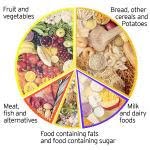
The ideal way to meet requirements of the above nutrients is by consuming adequate intake of normal foods (Perkins 2000). A normal hospital diet provides foods from all four food groups, but is often insufficient in quantity for patients with increased requirements. These patients may require supplementation with sip feeds, which are also fortified with an array of micronutrients. If a patient is consuming adequate amounts of food and sip feed supplements, it is doubtful that he/she will require specific vitamin or mineral supplements. In patients who have particularly stubborn wounds, a multi-vitamin and multi-mineral supplement may be administered.
Due to increased requirements, and the fact that many patients have a poor appetite and dietary intake, where oral sip feeds cannot help, artificial nutritional support may be initiated in the form of naso-gastric or gastrostomy feeding. Often patients are fed overnight by tube and encouraged to eat during the day, with the aim to wean them off tube feeding as nutritional status improves.
NutritionalAssessment
If a patients nutritional status is compromised, and they are unlikely to meet their requirements recovery will be delayed. Therefore nutritional assessment is vital to provide a baseline to work from. A good nutritional assessment involves the multidisciplinary approach including medical, nursing and dietetic staff. A number of assessment techniques may be employed including biochemical tests, weight, body mass index, anthropometry and dietary assessments. Nutritional Screening is an invaluable method of basic assessment done at nursing level. This is where a number of questions are asked concerning the patient's nutritional status to come up with a risk score, in order to identify possible risk of undernutrition. From this appropriate action can be initiated, which may include more detailed nutritional assessment.
Summary
It is obvious that nutrition plays a crucial role in wound healing, but there is little evidence that supplementing a patient's diet with specific nutrients in isolation improves clinical outcome. Further research is needed to identify the levels of supplements that will be of benefit to malnourished patients . Recommendations to patients with wounds should be to consume a healthy balanced diet, with sufficient quantities of energy and protein foods. All patients with wounds should have appropriate nutritional assessment through the multidisciplinary team.
Monday, January 10, 2011
IS ALCOHOL A CHOICE FOR ME

(Alcohol and Diabetes)
You may have heard that alcohol has certain health benefits. However, any pattern of drinking can be harmful. Proven ways of improving your health include: healthy eating, being active, and being a non-smoker.
The Association’s Clinical Practice Guidelines recommend that:
* People using insulin should be aware of delayed hypoglycemia (low blood glucose) that can occur up to 24 hours after drinking alcohol.
* People with type 1 diabetes should be aware of the risk of morning hypoglycemia if alcohol is consumed 2 to 3 hours after the previous evening’s meal.
* Alcohol should be limited to 1-2 drinks per day (less than 14 standard drinks / week for men and less than 9 standard drinks/ week for women).
* People with diabetes should discuss alcohol use with their diabetes healthcare team.
Health risks of alcohol use for people with diabetes
Alcohol can:
* affect judgement
* provide extra calories that can make weight loss or weight management a challenge
* increase blood pressure
* contribute to sexual difficulties
* damage the brain and nerves
* increase your triglycerides
* contribute to inflammation of the pancreas
* dehydrate the body which is very dangerous in someone with high blood glucose
* increase the risk of various cancers over time
* increase the risk of personality change such as depression or aggression
* worsen eye disease
* damage your liver over time

For young people in particular, alcohol use:
* can lead to addiction
* is associated with a dramatic increase in injuries and death
For those on insulin or some diabetes medications
* Drinking alcohol can increase your risk of having low blood glucose. To reduce this risk, take the following steps:
BEFORE Drinking Alcohol
* Eat regular meals, take your medication(s), and check your blood glucose levels frequently,
* Wherever you are, make sure someone with you knows your signs and symptoms of low blood glucose and how to treat it so they can help you.
* Be aware that glucagon, a treatment for low blood glucose, will not work while alcohol is in the body,
* Wear diabetes identification such as a Medic Alert
WHILE Drinking Alcohol
* Eat carbohydrate-rich foods when drinking alcohol.
* Eat extra carbohydrate-rich foods if you are dancing, playing sports or doing other physical activity.
* Drink slowly.
AFTER Drinking Alcohol
* Tell a responsible person that you have been drinking. They should look for low blood glucose symptoms.
* Check your blood glucose before going to bed. Eat a carbohydrate snack if your blood glucose is lower than usual.
* Set an alarm or have a responsible person wake you up through the night and early morning – a delayed low blood glucose can occur anytime up to 24 hours after drinking alcohol.
* You need to get up on time the next day for any food, medication or insulin you normally take. Missed medication or insulin can lead to high blood glucose, ketones and diabetic ketoacidosis (DKA).
You should not drink alcohol if you:
* are pregnant or trying to get pregnant,
* are breastfeeding,
* have a personal or family history of drinking problems,
* are planning to drive or engage in other activities that require attention,
* are taking certain medications.
In nutshell
If you do not drink alcohol, don’t start.
* If you choose to drink alcohol, intake should be moderate (daily intake should be limited to two drinks for adult men and one drink for adult women).
* When drinking alcohol, make sure you know how to prevent and treat low blood glucose.
* Heavy alcohol use can make blood glucose control more difficult and increases other health risks.
* Talk to your Psychologist or healthcare professional if you have questions.
B.Elayaraja M.Sc.,M.Phil.,PGDGC
Psycho social counselor.
Monday, December 13, 2010
TRUTH ABOUT “ARTIFICIAL SWEETNERS”

Good new for diabetic when you're trying to reduce the sugar and calories in your diet, you may be turning to artificial sweeteners or other sugar substitutes. You aren't alone. The popularity of artificial sweeteners and other sugar substitutes is on the rise as manufacturers and consumers seek lower calorie alternatives to regular white sugar without sacrificing sweetness.
Today, artificial sweeteners and other sugar substitutes are found in a variety of food and beverages marketed as "sugar-free" or "diet," including soft drinks, chewing gum, jellies, baked goods, candy, fruit juice and ice cream. In addition, other sugar substitutes are being touted as healthier sweeteners than regular sugar, even if they don't have fewer calories, such as honey and jaggery.
Artificial sweeteners are synthetic sugar substitutes but may be derived from naturally occurring substances, including herbs or sugar itself. Artificial sweeteners are also known as intense sweeteners because they are many times sweeter than regular sugar. In addition, you need only a fraction compared with the amount of regular sugar you would normally use for sweetness. Some artificial sweeteners may leave an aftertaste.
Alternate sweeteners can be classified as nutritive and non-nutritive.
Nutritive sweeteners contribute energy, whereas on-nutritive sweeteners do not.
Nutritive sweeteners apart from sugar, jaggery and honey include fructose, corn syrup, refined sugars, lactose, glucose, dextrose, concentrated fruit juices.

Non- nutritive sweeteners include saccharin, aspartame, acesulfame –K and sucralose offer no energy but as they sweeten with little volume are also referred to as high intensity sweeteners.

People who are weight conscious moved to diet drinks, diabetic sweets, jams and use sweetener for all their beverages and fruit juices. But now the studies are showing a correlation between use of artificial sweeteners and weight gain over a time period; this is due to how complex our body regulation of calories and other nutrients works. Because of misconception about artificial sweetener people think it is calorie free and tends to take in excess which leads to weight gain rather than weight loss. One thing for sure though that it doesn’t help with weight loss.


Artificial sweeteners tend to habituate our taste buds to an extent where it starts to demand more intense sweet flavors to please itself.


Artificial sweeteners may be a good alternative to sugar if you have diabetes. Unlike sugar, artificial sweeteners generally don't raise blood sugar levels because they are not carbohydrates
The FDA has also established an acceptable daily intake (ADI) for each artificial sweetener. Moderate consumption of these sweeteners as a tabletop sweetener can be recommended.
Thursday, December 2, 2010
Anti Obesity Day

Anti-Obesity Day is observed all over India on November 26th, 2010. The initiative seeks to spread the word about the dangers of obesity and the steps to take to cut the flab and stay fit.
Sheela Paul, Aruna & Manonmani
Obesity, it is a chronic condition defined by an excess amount body fat. A certain amount of body fat is necessary for storing energy, heat insulation, shock absorption, and other functions. The normal amount of body fat (expressed as percentage of body fat) is between 25%-30% in women and 18%-23% in men. Women with over 30% body fat and men with over 25% body fat are considered obese.
Know your Body mass index:
Body Mass Index (BMI) is a simple index of weight-for-height that is commonly used to classify underweight, overweight and obesity in adults. It is defined as the weight in kilograms divided by the square of the height in meters (kg/m2).

Source: Adapted from WHO, 1995, WHO, 2000 and WHO 2004.
Another best way to predict your obesity is measuring waist hip ratio for women 80cm and men 95cm. this can be easily measured with the help of an inch tape. Waist Hip Ratio is calculated by dividing your waist measurement by your hip measurement.

Best Waist-Hip Ratio for
- Men → 0.95 or less
- Women → 0.8 or less.
Causes of obesity
* Genetics
* Obesity and over-weight are caused by a chronic imbalance between energy intake and energy expenditure.
* High intake of dietary fat also causes obesity.
* Poor exercise and sedentary lifestyle are the main causes for obesity.
* Complex behavior and psychological factors also cause over-eating and thus lead to obesity.
* Disease & Hormones
* Metabolic errors in energy utilization may favour fat accumulation.
* Obesity in childhood and adolescence can lead to adult obesity

Risk factors associated with obesity
Being overweight or Obese the risk of myriad diseases & health conditions, including the following:
* Hypertension
* Dyslipidemia
* Type2 diabetes
* Coronary Heart Disease
* Stroke
* Gall Bladder Disease
* Osteoarthritis
* Sleep apnea & Respiratory problems
* Cancers (endometrial, Breast & Colon)
Dieting and Physical exercise are the mainstays of treatment for obesity

* Reducing calories is required for weight loss. Cutting only 100 extra calories a day from one's diet will lead to a weight loss of 5 kgs in a year, while cutting 500 calories a day will lead to a loss of 10 -12 kgs in a year.
* The combination of a reduced-calorie diet and increased physical activity will lead to better weight loss than either one done separately.
* Physical activity and exercise help burn calories (depends on the type, duration, and intensity of the activity).
Balance your intake and energy output

Healthy tips to Reduce Weight
* Eat less fried foods.
* Eat more fruits and vegetables.
* Eat more fiber rich food items like whole grains, grams and sprouts.
* Do regular exercise or keep the body weight within normal limits.
* Slow and steady reduction in body weight is advised.
* Severe fasting may lead to health hazards.
* Enjoy a variety of foods needed to balance your physical activity.
* Eat small meals regularly at frequent intervals.
* Cut down sugar, fatty foods and alcohol.
* Use low-fat milk.
* Weight reducing diet must be in rich in protein and low in carbohydrate and fat.
CHILDHOOD OBESITY
There is alarming increase in the number of children and adolescents developing Type-2 Diabetes (also termed as adult-onset diabetes) due to being overweight. Kids spending more time watching TV and eating a wide variety of fattening snack that have no nutritional value. These serious health problems can be life-threatening, physically uncomfortable or painful, and of course, downright depressing. A child that is overweight will likely be overweight as an adult.


Healthy habits start at home. The best way to fight and prevent childhood obesity and weight problems is to get the whole family on a healthier track. Making better food choices and becoming more active will benefit everyone, regardless of weight. And with the whole family involved, it will be much easier for your overweight child to make lasting changes.
“Obesity does not have to ruin your life; proper exercise and diet can overcome it”. Today is as good day to start reducing your weight.
Wednesday, November 24, 2010
Overweight And Diabetes
Overweight And Diabetes (The Link That Should Be Avoided)
In today’s world, literally, we all around the world are eating ourselves into a diabetes epidemic. Obesity has long been associated with diabetes, impaired glucose tolerance and cardio vascular disease.
Obesity means accumulation of excess fat on the body. Obesity is considered a chronic (long-term) disease, like high blood pressure or diabetes. It has many serious long-term consequences for your health. Obesity is defined as having a body mass index (BMI) of greater than 30. The BMI is a measure of your weight relative to your height.

So what exactly is “DiaObesity”?
Diabetes + Obesity = DiaObesity.
DIABETES is also known as DIABETES MELLITUS or Sugar Diabetes.
It’s a condition where INSULIN produced by the pancreas, is in short supply or deficient or Insulin if present, does not work properly and has diminished effectiveness.
Insulin regulates the levels of glucose and sugar in the blood.
No matter what medication or superior types of insulin are developed, diabetes cannot be treated effectively without a daily dose of physical activity. Diabetes can be controlled but treatment is typically lifelong.
Treating Obesity Will Treat Type 2 Diabetes

Weight-loss is an important goal for overweight or obese persons, particularly those with type 2 diabetes. Moderate and sustained weight-loss (five percent to 10 percent of body weight) can improve insulin action, decrease fasting glucose concentrations and reduce the need for some diabetes medications. A program of diet, exercise and behavior modification can successfully treat obesity, but pharmacotherapy and/or surgery may be warranted.
Tips to help you lose your body weight
* Weight-loss will occur when energy expenditure exceeds energy intake. Be active throughout the day and create an energy deficit of 500-1,000 calories per day. (If you are a diabetic person, consult a Doctor for medical guidance to manage your weight).
* Take lot of fibre content food instead of complex carbohydrate food.
* A goal should be set for 30 to 45 minutes of moderate exercise five times per week
Monday, November 15, 2010
World Diabetes Day
World Diabetes Day (WDD) is celebrated every year on November 14. The World Diabetes Day campaign is led by the International Diabetes Federation (IDF) and its member associations. It engages millions of people worldwide in diabetes advocacy and awareness. World Diabetes Day was created in 1991 by the International Diabetes Federation and the World Health Organization in response to growing concerns about the escalating health threat that diabetes now poses. This year sees the second of a five-year campaign that will address the growing need for diabetes education and prevention programmes.
World Diabetes Day is a campaign that features a new theme chosen by the International Diabetes Federation each year to address issues facing the global diabetes community. While the themed campaigns last the whole year, the day itself is celebrated on November 14, to mark the birthday of Frederick Banting who, along with Charles Best, first conceived the idea which led to the discovery of insulin in 1922.
Diabetes Education and Prevention is the World Diabetes Day theme for the period 2009-2013. The campaign slogan for 2010 is 'Let's take control of diabetes Now.'
Where is it celebrated?
World Diabetes Day is celebrated worldwide by the over 200 member associations of the International Diabetes Federation in more than 160 countries and territories, all Member States of the United Nations, as well as by other associations and organizations, companies, healthcare professionals and people living with diabetes and their families.
M.V. Centre for Diabetes, Mylapore
(A branch of M.V. Hospital for Diabetes, Royapuram) & Inner Wheel club of Adyar have organized a pledge taking by students and children with Diabetes and World Diabetes Day Lighting on Saturday, November 13, 2010 at 5.p.m at Kalaignar Maaligai, Queen Mary’s College, Chennai. (Opposite to Gandhi Statue, Marina Beach, Next to DGP office).
Thiru.P.Sakthivelu, I.P.S Joint commissioner of police, South Zone, Chennai has consented to be the chief Guest and swith on the World Diabetes Day lighting
Mr. Sakthi Film Actor has consented to be the Guest of Honour and administer the pledge. Dr. Tmt. K. Ambujam Principal, QMC will felicitate.
M.V Hospital for Diabetes and Prof. M.Viswanathan Diabetes Research Centre have organized the Meet the Medical Experts Panel discussion on diabetes for public)to create awareness about the prevention and diabetes and its complications on world diabetes day, November 14, 2010 and Launch a Diabetes self care kit at GRT Grand Convention Centre, 120, Sir Thyagaraya Road, T.Nagar, Chennai on Sunday the 14th November 2010 from 11.00 am
Thiru. Shiv Das Meena, I.A.S
Managing Director, Tamil Nadu Medical Services Corporation Ltd., Chennai has consented to be the Chief Guest.
Dr. P. Namperumalsamy
Chairman Emeritus, Aravind Eye Care System, Madurai has consented to be the Guest of Honour.
The Experts for Panel Discussion
Prof.Dr.S.Thanikachalam
Chairman & Director, Cardiac Care Centre
Sri Ramachandra University
Dr. Namperumalsamy
Chairman Emeritus – Aravind Eye Hospital,
Madurai
Dr. V.Balaji
Senior Vascular Surgeon, Appollo Hospitals, Chennai
Prof. Dr. E.S. Krishnamoorthy
Hon.Secretary, VHS, Chennai
Dr. P.B. Sivaraman
Former Prof. and Head of Urology, Madras Medical College.
Consultant Urologist, Appollo Hospitals, Chennai
Dr. Gokulnath
Prof & Head of the Dept. of Nephrology, St.Johns Medical College, Bangalore
Dr. Gita Arjun
Director, Obstetrician & Gynaecologist, E.V. Kalyani Medical Centre, Chennai
Dr. Varsha
Consultant Clinical Nutritionist, Chennai
Moderator
Dr. Vijay Viswanathan
Managing Director, M.V. Hospital for Diabetes (P) Ltd, Royapuram, Chennai
Theme
Each year World Diabetes Day is centred on a theme related to diabetes. Topics covered in the past have included diabetes and human rights, diabetes and lifestyle, and the costs of diabetes. Recent themes include:
2005: Diabetes and Foot Care
2006: Diabetes in the Disadvantaged and the Vulnerable
2007-2008: Diabetes in Children and Adolescents
2009-2013: Diabetes Education and Prevention
The World Diabetes Day logo

The World Diabetes Day logo is the blue circle - the global symbol for diabetes which was developed as part of the Unite for Diabetes awareness campaign. The logo was adopted in 2007 to mark the passage of the United Nations World Diabetes Day Resolution. The significance of the blue circle symbol is overwhelmingly positive. Across cultures, the circle symbolizes life and health. The colour blue reflects the sky that unites all nations and is the colour of the United Nations flag. The blue circle signifies the unity of the global diabetes community in response to the diabetes pandemic.
Diabetes education and prevention Understand diabetes and take control:
The key messages of the campaign are:
* Know the diabetes risks and know the warning signs
*Know how to respond to diabetes and who to turn to
*Know how to manage diabetes and take control
Campaign Objectives
The objectives for the 2009-2013 campaign were informed by the work of the Federation’s Consultative Section on Education and its Task Force on Epidemiology and Prevention. The objectives were further informed by the World Health Organization’s 2008-2013 Action Plan for the Global Strategy for the Prevention and Control of Noncommunicable Diseases.
The campaign goals are to:
*Encourage governments to implement and strengthen policies for the prevention and control of diabetes and its complications.
*Disseminate tools to support national and local initiatives for the prevention and management of diabetes and its complications.
*Illustrate the importance of evidence-based education in the prevention and management of diabetes and its complications.
*Raise awareness of the warning signs of diabetes and promote action to encourage early diagnosis.
*Raise awareness of and promote action to reduce the main modifiable risk factors for type 2 diabetes.
*Raise awareness and promote action to prevent or delay the complications of diabetes.
Diabetes prevention

At present, type 1 diabetes cannot be prevented. The environmental triggers that are thought to generate the process that results in the destruction of the body’s insulin-producing cells are still under investigation. Type 2 diabetes, however, can be prevented in many cases by maintaining a healthy weight and being physically active. Studies in China, Finland and the United States have confirmed this.
The World Diabetes Day campaign’s approach to primary prevention is informed by the IDF Consensus on Type 2 Diabetes Prevention (2007). The consensus proposes a simple three step plan for the prevention of type 2 diabetes in those at increased risk.
IDF recommends that all people at high risk of developing type 2 diabetes be identified through opportunistic and self-screening. People at high risk can be easily identified through a simple questionnaire to assess risk factors such as age, waist circumference, family history, cardiovascular history and gestational history.
Once identified, people at high risk of diabetes should have their plasma glucose levels measured by a health professional to detect Impaired Fasting Glucose or Impaired Glucose Tolerance, both of which indicate an increased risk of type 2 diabetes. Prevention efforts should target those at risk in order to delay or avoid the onset of type 2 diabetes.
There is substantial evidence that achieving a healthy body weight and moderate physical activity can help prevent the development of type 2 diabetes. In primary prevention there is an important role for the diabetes educator to help people understand the risks and set realistic goals to improve health. IDF recommends a goal of at least 30 minutes of daily exercise, such as brisk walking, swimming, cycling or dancing. Regular walking for at least 30 minutes per day, for example, has been shown to reduce the risk of type 2 diabetes by 35-40%.
World Diabetes Day will promote greater awareness of the risk factors for diabetes and encourage best-practice sharing in diabetes prevention. The campaign will ask diabetes stakeholders to call on UN Member States to follow through on the promise of the UN Resolution on diabetes and develop national policies for the prevention, treatment and care of diabetes in line with the sustainable development of their healthcare systems.
Understand diabetes: know the warning signs

The warning signs* of diabetes include:
*Frequent urination
*Excessive thirst
*Increased hunger
*Weight loss
*Tiredness
*Lack of interest and concentration
*Vomiting and stomach pain (often mistaken as the flu)
*A tingling sensation or numbness in the hands or feet
*Frequent infections
*Slow-healing wounds
*These can be mild or absent in people with type 2 diabetes.
If you show these signs, seek medical attention!
Diabetes risk factors

There are many risk factors for type 2 diabetes. They include:
*Obesity and overweight
*Lack of exercise
*Previously identified glucose intolerance
*Unhealthy diet
*Increased age
*High blood pressure and high cholesterol
*A family history of diabetes
*A history of gestational diabetes
*Ethnicity - higher rates of diabetes have been reported in Asians, Hispanics, Indigenous peoples (USA, Canada, Australia) and African Americans.
If you think you are at risk of type 2 diabetes, get tested!
Let's take control of diabetes. Now.
2010 marks the second year of the five-year focus on Diabetes education and prevention", the theme selected by the International Diabetes Federation and the World Health Organization for World Diabetes Day 2009-2013.
The campaign slogan is: "Let's take control of diabetes. Now."
For the general public and people at high risk of diabetes, the focus will be on raising awareness of diabetes and disseminating tools for the prevention of diabetes. For people with diabetes, the focus will be on disseminating tools to improve knowledge of diabetes in order to better understand the condition and prevent complications. For governments and policy-makers, efforts will focus on advocacy aimed at communicating the cost-effective implications of diabetes prevention strategies and promoting diabetes education as a core component of diabetes management and treatment.
The key messages of the campaign, developed for different target groups, are:
*Know the signs and symptoms of diabetes. Early diagnosis saves lives.
*Diabetes prevention and treatment is simple and cost-effective. Put it on top of the agenda.
*Your child could be affected. Know the warning signs. See your doctor to measure the risk.
*Enjoy an active life and prevent complications.
World Diabetes Day
Message from the Department of Nutrition and Dietetics
World Diabetes Day, on the 14th November every year, has grown from humble beginnings to become a globally-celebrated event to increase awareness about diabetes. World Diabetes Day is proving internationally effective in spreading the message about diabetes.
World Diabetes Day message
‘Beat Diabetes’
 FIGHT OBESITY AND PREVENT DIABETES
To Prevent and control diabetes
Take a well balanced diet, include cereals & whole grains, pulses& dhal, greens and vegetables, milk and milk products, fruits, nuts in your daily diet.
Restrict the intake of refined food products, deep fried food items, junk food etc
Balance your food intake with your activity.


World Diabetes Day blue buildings
Each World Diabetes Day famous buildings and monuments all over the world are lit up in blue. This powerful and striking image helps to spread the message about World Diabetes Day to diabetics and non-diabetics alike.

Thursday, November 11, 2010
MEDICAL NUTRITION THERAPHY (MNT GOALS)

J. MARY SHALINI M.sc -DIETITIAN
* T1DM is an autoimmune condition— the immune system has “attacked” the insulin-producing beta cells of the pancreas, creating a total insulin deficiency.
*It is a common pediatric chronic illness that impairs glucose functioning and increase the blood glucose levels than the normal range.
*Diet and physical activity are critically important in the management of type 1 diabetes.
*It is important to understand how to balance food intake with physical activity, and insulin. Make healthy food choices every day to improve overall health.
MEDICAL NUTRITION THERAPHY (MNT GOALS)
*Attain and maintain optimal – Blood Glucose and Lipids.
*Provide adequate calories for maintaining normal growth and development in children.
*Improve health through optimal nutrition and physical activity.
*Integrate insulin regimen into usual eating and physical activity.
*Prevent and treat acute complications.
NUTRITIONAL NEEDS
ENERGY
• Sufficient calories to be provided for normal growth and development.
• Calorie requirement should be according to their activities.
Calorie Requirements can calculate using this formula
Up to 12 yrs of age
Total Kilocalories = 1000 + (100 × age)
CARBOHYDRATES

•Carbohydrate awareness is essential in treating T1DM, so that they know the effect of the meal on blood glucose and can better match food intake to insulin doses.
•For better glycemic control carbohydrate restriction is not recommended, 40-55% of carbohydrate from total caloric intake must be given to manage the insulin dose.
*Encourage intake of complex carbohydrates
*Avoid direct sugars soft drinks, candy, table sugar, jaggery, sweets, etc.
*If feasible, adjustments in insulin can be taught to child/parent on occasional intake of sugar containing foods.
PROTIENS


*Proteins are needed for normal growth and development.
*Should constitute 15–20 % of the Calories.
Good sources of protein: legumes, pulses, nuts, milk and milk products, eggs and non-vegetarian foods.
FATS

*Concentrated sources of energy.
*About 25–30% of total calories should be from fat.
*Use combination of oils in prescribed amount.
*Deep Fried non veg foods have more cholesterol and fats.
VITAMINS AND MINERALS

•Requirements are same for diabetic & and non-diabetic children.
•This can be obtained in a well balanced meal plan.
•Special attention should be given to calcium, iron and iodine.
Balancing Diet and Insulin

•This can be achieved with a consistent meal pattern adjusted with appropriate insulin doses.
•Insulin action (duration, starting and peak action time) should be kept in mind for meal planning.
Good Meal Planning
A good plan will make it easier to control blood glucose levels.
Eating plan should…..
*Include foods which the child likes.
*Take daily activities and schedule of the child into account.
*Be flexible.
*Keep blood glucose level within the target range.
*Help to reach and maintain a healthy weight.
*Help to prevent disease conditions.
Eating out

•Most of children enjoy eating out.
•There is no reason to avoid it just because they have diabetes.
•It is important to know what they should eat.
•Parents should be guided in this matter. Discuss healthy food choices with them.
FINE TUNING YOUR DIET
*Increase milk intake as it is essential for growth and development of bones and teeth’s.
*Include fruits and vegetables as it is a source of ANTIOXIDANTS which enhances the immune system.
*Include dhal, sprouts, whole grams, nuts which are good sources of protein which is essential for body building.
*As Junk foods have high calories, fats and less in nutrient’s it can be taken sparingly in small quantity.
*Refined products like pasta, noodles, spaghetti can be taken in prescribed amounts with addition of vegetables.
*Spending more time in watching T.V and playing videogames, should be replaced by outdoor games such as playing crickets, cycling swimming skipping, jogging,( spare at least an hour)
*Be cautious of HYPOGLYCEMIC symptoms. Check blood sugar before and after activities/exercise, if the blood sugar is low, carbohydrate snacks should be emphasized.

If your blood sugar goes low during exercise, eat a snack according to the guidelines below,

•If the blood glucose is 51 to 70 mg/dL eat 10 to 15 grams of fast-acting carbohydrate (eg, 1/2 cup fruit juice, 3 to 4 hard candies, 2 to 3 tsp of sugar with milk).

Retest after 15 minutes and repeat treatment if needed. If the next meal is more than an hour away, eat an additional 15 grams of carbohydrate.
Try not to eat too much because this can raise blood sugar levels above the target level and lead to weight gain over the long term.
Exercise


Moderate to intense exercise
*Insulin should be adjusted with increased physical activity/exercise.
*CHO-based snack can be consumed before exercise to avoid hypoglycemia Sports drinks before/during vigorous exercise is encouraged to prevent late onset hypoglycemia.
*Make changes in your lifestyle that incorporates exercise. Instead of the car, computer and a sedentary lifestyle, make yourself active, walk, and play outdoor games.

As this celebrate WASIM AKRAM is a well known challenging cricket player is also a type1 diabetic quoted as follows,
“I WOULD TELL PEOPLE THAT IF YOU HAVE DIABETES DON'T BLAME
YOURSELF OR ANYBODY, FIGHT IT. BE HEALTHY AND DEAL WITH IT”
Tip of the Week

Choose the right shoe and socks